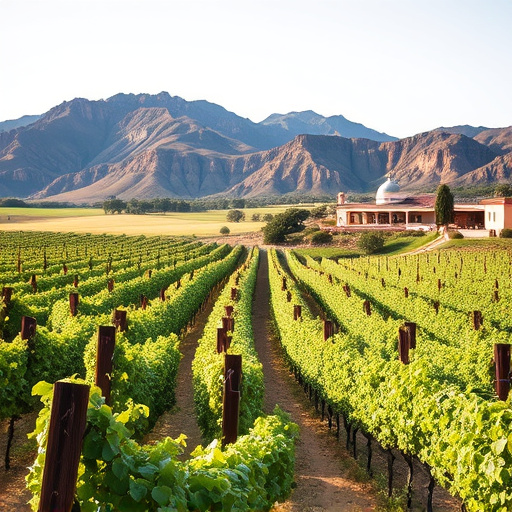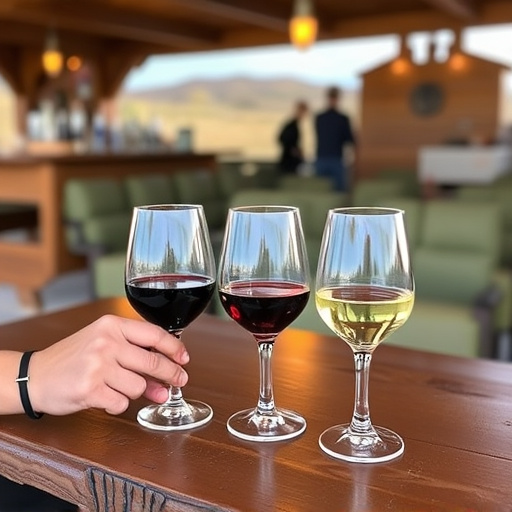
Sonoita wine tasting offers a unique sensory journey shaped by the region's distinctive terroir. Nestled in Arizona's Santa Cruz Mountains, its varied geography and microclimates create diverse soil types and grape cultivars, resulting in intense, balanced wines. Local guides educate on climate and soil impacts, enabling connoisseurs to appreciate subtleties through visual, olfactory, and gustatory cues. Engaging with experts reveals Sonoita's sustainable farming practices and cultural narrative woven into its artisanal winemaking traditions. Guided tours and festivals provide immersive experiences, connecting visitors to local histories and winemakers.
The distinct character of a wine is intricately tied to its terroir—a concept that holds profound significance for sommeliers and wine enthusiasts alike. In the quest for authentic culinary experiences, understanding the unique qualities of regional wines has become paramount. This article delves into the enchanting world of Sonoita terroir, guided by expert local wine guides. By their expertise, we gain invaluable insights into the intricate interplay between climate, soil, and geography that shapes the vibrant flavors of Sonoita wines, offering a transformative sonoita wine tasting journey.
- Unlocking Sonoita's Unique Terroir: A Guide for Wine Enthusiasts
- Exploring the Region: Sonoita's Geographical Features & Their Impact on Wine
- The Art of Sonoita Wine Tasting: Techniques and Must-Know Tips
- Local Expert Insights: Secrets and Best Practices for a Memorable Experience
- Beyond the Taste: Sonoita's Cultural Significance Through Wine
Unlocking Sonoita's Unique Terroir: A Guide for Wine Enthusiasts
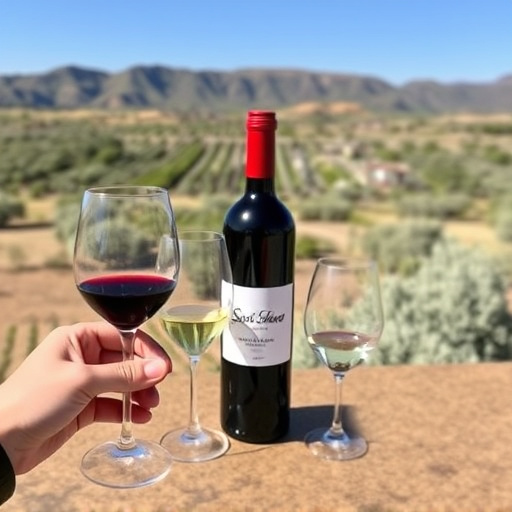
Sonoita’s terroir is a fascinating interplay of geography, climate, and soil that contributes to its distinctive wine character. This high desert region, nestled against the majestic Santa Catalina Mountains, enjoys a unique microclimate with hot, sunny days and cool nights, fostering slow ripening of grapes. The terrain, marked by rolling hills and diverse soil types, allows for a wide variety of grape varieties to thrive. Experts note that this combination results in wines that exhibit intense flavors, balanced acidity, and distinct mineral notes—a true reflection of Sonoita’s terroir.
For wine enthusiasts looking to unlock Sonoita’s unique terroir, a focused approach to sonoita wine tasting is essential. Visiting local wineries and interacting with expert guides can provide invaluable insights. These professionals often lead tastings that highlight specific vineyard sites and grape varieties, enabling visitors to appreciate the subtle differences in flavor profiles. Moreover, engaging in conversations with these guides offers a deeper understanding of the region’s history, viticultural practices, and how they shape the final product.
Practical advice for maximizing your sonoita wine tasting experience includes planning visits during cooler seasons to better appreciate the nuances of the wines. Joining organized tours or club events can also enhance accessibility to lesser-known producers and their unique offerings. Remember, each winery has its own story and approach, so be open to exploring diverse styles and engaging with knowledgeable staff—it’s these personal connections that truly bring Sonoita’s terroir to life.
Exploring the Region: Sonoita's Geographical Features & Their Impact on Wine
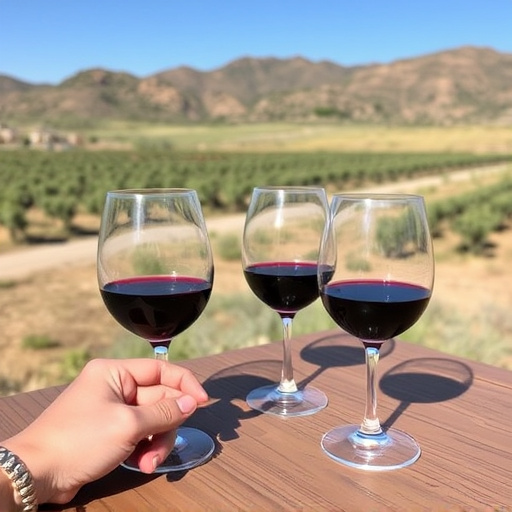
Sonoita, nestled amidst the picturesque landscapes of Arizona’s Santa Cruz Mountains, is a wine region renowned for its distinctive terroir—a combination of unique geographical features and microclimates that significantly shape the character of its wines. The region’s elevation, varying from 2,400 to 5,000 feet, plays a pivotal role in tempering temperatures, fostering distinct growing seasons, and contributing to the balanced acidity and concentrated flavors found in Sonoita wines.
The Santa Cruz Mountains’ rugged terrain adds another layer of complexity. Rugged slopes and diverse soil types—from granite-based soils that offer excellent drainage to more fertile loams that retain moisture—allow for a wide range of grape varieties to thrive. This diversity is reflected in the region’s robust portfolio, which includes renowned cultivars like Grenache, Syrah, Mourvèdre, and Viognier, each finding its ideal expression within specific micro-areas.
For wine enthusiasts, exploring Sonoita means engaging in a sensory journey through these varying terroirs, often culminating in a rewarding sonoita wine tasting experience. Local guides, schooled in the region’s intricacies, can lead visitors on tours that highlight the unique characteristics of different vineyards and their wines. These tastings offer insights into how microclimates influence grape ripening, and how winemakers interpret these nuances to craft distinctive, complex vintages. By immersing oneself in Sonoita’s terroir, one gains a profound appreciation for the intricate dance between land, vine, and wine that makes this region a standout destination on any wine lover’s map.
The Art of Sonoita Wine Tasting: Techniques and Must-Know Tips
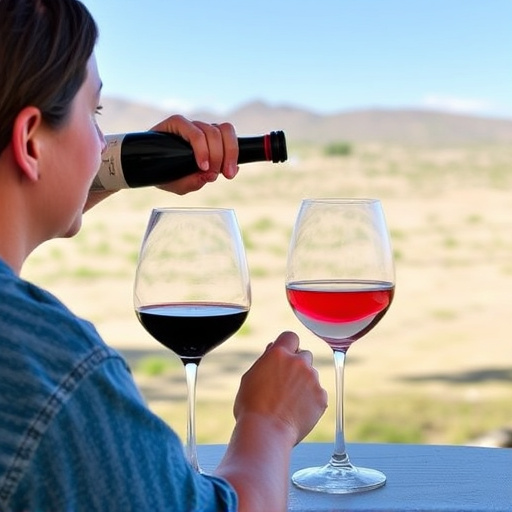
The art of Sonoita wine tasting is a nuanced experience that goes beyond simply sipping and savoring. It’s a dance between taster and terroir, where the unique character of the land expresses itself through each sip. Experts in this region emphasize the importance of understanding the distinct qualities of Sonoita’s terroir, which include soil composition, climate variations, and elevation changes. These factors interplay to shape the flavors and aromas found in the local wines, making each glass a microcosm of the surrounding landscape.
For instance, the well-known Sonoita Valley, nestled amidst the majestic Santa Catalina Mountains, boasts volcanic soils rich in minerals that impart a distinct earthiness to its reds. The region’s semi-arid climate, characterized by hot summers and cool nights, slows down ripening, allowing for the preservation of natural acidity. This careful balance results in wines with vibrant fruit flavors and a refreshing zing. Recognizing these characteristics during tasting allows connoisseurs to appreciate the subtle yet powerful expressions of Sonoita’s terroir.
Mastering the art of sonoita wine tasting involves engaging all senses. Visual cues, such as the color and clarity of the wine, offer initial clues about its potential. Swirling uncovers aromatic notes, revealing floral, fruity, or earthy scents. Taking a sip encourages a symphony of flavors to unfold—a dance of sweetness, acidity, tannin, and body. The finish, or aftertaste, is crucial; a lingering impression can provide insights into the wine’s quality and complexity. Practicing these techniques with local wines allows one to develop an informed palate, appreciating not just the wine itself but the story it tells about the land from which it comes.
Local Expert Insights: Secrets and Best Practices for a Memorable Experience
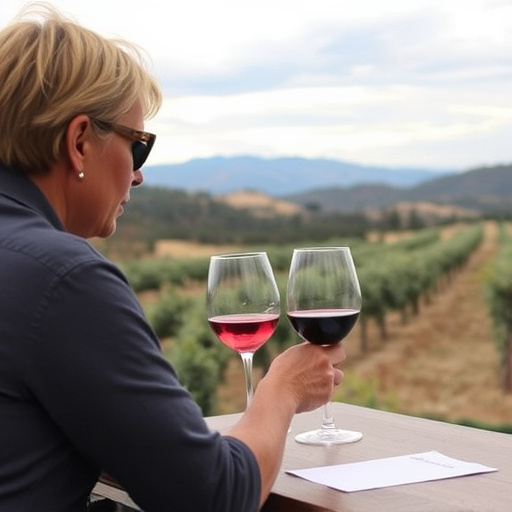
To truly understand Sonoita’s terroir, one must seek guidance from its seasoned local wine guides. These experts have an intimate knowledge of the region’s unique characteristics, shaped by factors like climate, soil composition, and elevation. They emphasize that “terroir” isn’t just a buzzword; it defines the very essence of a wine’s flavor profile. For instance, the microclimates in Sonoita can vary significantly between hillsides and valley floors, leading to distinct variations in grape ripening and resulting wines.
Local guides often lead small-group sonoita wine tasting tours, allowing for personalized experiences. They encourage visitors to go beyond superficial impressions, advising them to “savor each wine’s complexity.” This involves noting nuances like acidity, tannin levels, and aroma. A seasoned guide might point out that a particular vineyard’s south-facing slopes receive intense afternoon sun, concentrating flavors in the grapes. Such insights enrich the tasting experience, transforming it from casual enjoyment into an educational journey through Sonoita’s diverse vineyards.
Beyond the sensory aspects, experts stress the importance of sustainability and organic farming practices prevalent in Sonoita. Many wineries actively preserve native ecosystems, ensuring the long-term health of the terroir. For instance, some producers employ ancient irrigation methods that respect the region’s arid climate. These practices not only safeguard the environment but also contribute to distinct, high-quality wines that reflect Sonoita’s unique character. By engaging with local guides and participating in guided tastings, visitors can gain a deeper appreciation for these sustainable practices and their impact on the final product.
Beyond the Taste: Sonoita's Cultural Significance Through Wine
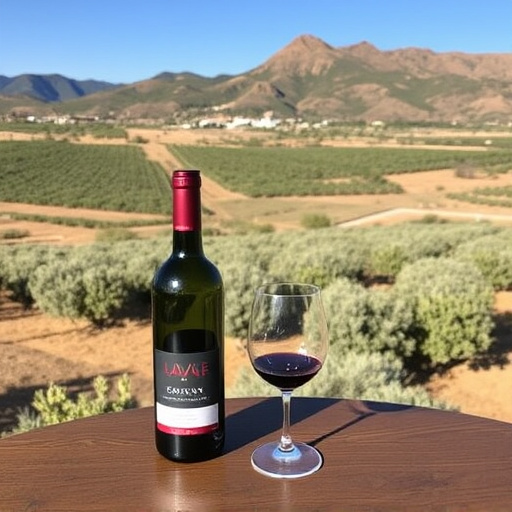
Sonoita’s terroir is more than just a viticultural concept; it’s a cultural narrative woven deeply into the fabric of this Arizona wine region. Beyond the sensory experience of its distinctive wines, Sonoita offers a unique glimpse into the history and spirit of its community through the art of wine-making. This small town, nestled amidst rolling hills, has become a vibrant center for artisanal winemaking, attracting both connoisseurs and curious travelers alike.
The cultural significance of Sonoita wine extends to its ability to tell stories. Each vintage carries within it the essence of the land—the climate, soil composition, and surrounding flora and fauna—all contributing to the unique character of each bottle. Local winemakers take pride in preserving traditional methods while experimenting with innovative techniques, creating a diverse range of wines that reflect the region’s spirit. For instance, many producers focus on organic and sustainable practices, ensuring that the terroir is respected and enhanced through responsible viticulture. This commitment not only preserves the natural beauty of Sonoita but also fosters a deep connection between the land and its inhabitants.
Sonoita wine tasting naturally becomes an immersive experience, offering more than just a taste of local grapes. It’s a chance to engage with the passions and histories behind each label. Local guides, schooled in both winemaking and the region’s folklore, provide insights into the cultural evolution of Sonoita’s wine scene. They share stories about the early days of viticulture, the challenges faced by pioneering winemakers, and the diverse influences that have shaped the town’s distinct character. These narratives bring the terroir to life, inviting visitors to appreciate not just a glass of wine, but a piece of local history and tradition.
To truly grasp Sonoita’s cultural significance through wine, consider joining guided tours or participating in wine festivals. These events offer opportunities to meet winemakers face-to-face, learn about their craft, and discover the stories behind the wines. By engaging with the community, visitors can gain a profound understanding of how Sonoita’s terroir has influenced not just its agricultural practices but also its artistic expression, making it a truly remarkable destination for wine enthusiasts seeking more than just a taste.
By exploring Sonoita’s unique terroir, geographical features, and cultural significance, this article has equipped readers with a deep understanding of what makes Sonoita wine tasting an exceptional experience. Key insights include recognizing how the region’s diverse microclimates and soil composition contribute to distinct wine profiles, mastering techniques for effective wine tasting, and appreciating the local expert insights that offer hidden gems and best practices. Furthermore, readers now grasp the cultural richness embedded in Sonoita’s wine production, providing a comprehensive appreciation of this remarkable terroir. These learnings enable enthusiasts to navigate and fully immerse themselves in the world of Sonoita wines, ensuring memorable experiences both during and after their visit.