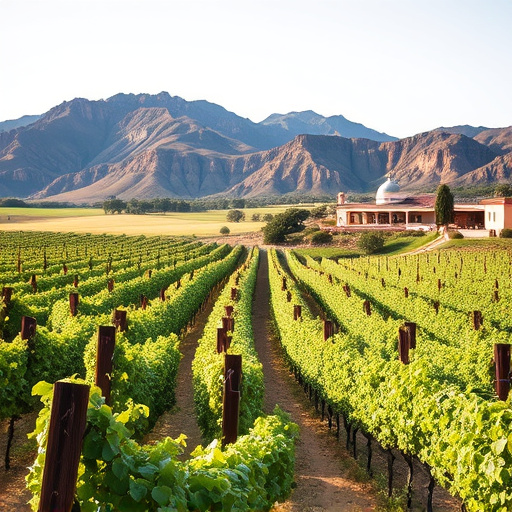
Sonoita wine tasting showcases unique terroir defined by geography, climate, and diverse soil microclimates. Connoisseurs can explore south/north slopes and elevations to understand grape flavor variations. Family-owned estates offer historical insights, and local guides facilitate immersive experiences. Start with small wineries like Sunset Crest Vineyard and Sonoita Creek Winery for artisanal wines and tailored education.
The terroir of Sonoita, a hidden gem in the world of wine, has garnered increasing attention from connoisseurs seeking authentic, distinctive flavors. This small yet vibrant region offers a unique sensory experience that goes beyond grape variety. However, navigating its diverse microclimates and soil types can be challenging for novice visitors. To demystify this enchanting terroir, we’ve partnered with expert local wine guides who share their intimate knowledge. Through their insights, you’ll embark on a journey that transcends mere sonoita wine tasting, delving into the very essence of what makes this corner of the world such a captivating wine destination.
- Unveiling Sonoita's Unique Terroir: Expert Insights on Wine Origins
- Immersing in Sonoita Wine Tasting: A Local Guide to Discoveries
Unveiling Sonoita's Unique Terroir: Expert Insights on Wine Origins
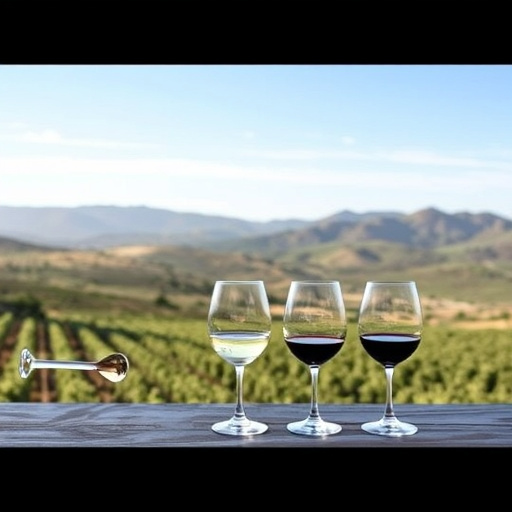
Sonoita’s terroir, a term that encapsulates the unique interplay of geography, climate, and soil, is a cornerstone of its renowned wine production. Understanding this terroir is essential for any connoisseur seeking to appreciate Sonoita wines at their finest. Expert local guides offer invaluable insights into these factors, shedding light on why Sonoita wines possess distinctive characteristics not found elsewhere.
The region’s elevation, ranging from 2,500 to 4,000 feet, contributes significantly to its cool climate, ideal for growing grape varieties like Tempranillo and Grenache. The arid high desert environment, characterized by low humidity and abundant sunlight, allows grapes to mature slowly, developing complex flavors. Moreover, the region’s diverse soils, ranging from well-draining sandy loams to richer volcanic clay, provide varied microclimates within the vineyard, further enhancing grape differentiation. These factors combine to create a diverse range of wines that reflect both the specific vineyard and year.
Sonoita wine tasting offers a chance to explore these nuances firsthand. Connoisseurs can experience the subtle differences between vineyards situated on south-facing slopes versus those on north-facing canyons, or sample Tempranillo from different elevations. This direct engagement with terroir allows for a deeper understanding of Sonoita’s wines and fosters an appreciation for the intricate relationship between land and grape. Guides recommend seeking out family-owned estates where vintners often have deep knowledge of their specific vineyard’s history and terroir, providing insights that enrich the tasting experience.
Immersing in Sonoita Wine Tasting: A Local Guide to Discoveries
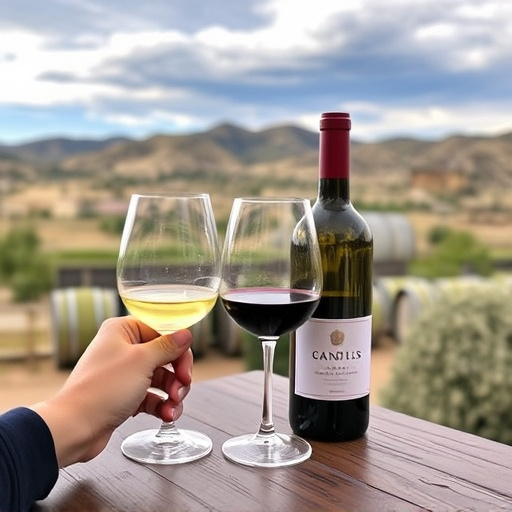
Sonoita terroir, with its unique characteristics, offers a captivating experience for wine enthusiasts seeking authentic discoveries. Immersing oneself in Sonoita wine tasting is akin to delving into a complex yet beautiful tapestry of flavors and aromas. Local guides, with their deep-rooted knowledge, play a pivotal role in navigating this sensory journey. They provide insights not just into the wines themselves but also into the history, geography, and viticultural practices that shape Sonoita’s distinctive wine profile.
A practical approach for visitors is to start with small, family-owned wineries known for their artisanal methods. These establishments often offer tastings in intimate settings, allowing for more personalized interactions with winemakers. For instance, consider a visit to Sunset Crest Vineyard, renowned for its organic practices and diverse grape varieties. Their guided tastings educate guests on the art of blending, while their vineyards showcase the region’s diverse microclimates. Similarly, Sonoita Creek Winery, nestled along the creek, offers a serene ambiance, enabling visitors to appreciate the subtle nuances of each wine variety.
Expert guidance is invaluable when exploring Sonoita wine tasting. Local guides can tailor experiences based on individual preferences, ensuring that every visit is memorable. They often share lesser-known facts and anecdotes about the wines, the region’s history, and even local legends, making the experience both educational and entertaining. For instance, a guide might reveal the connection between ancient Native American traditions and modern viticulture, or highlight the impact of the area’s elevation on wine complexity. These insights enrich the tasting journey, turning it into a meaningful exploration of Sonoita’s terroir.
By delving into Sonoita’s terroir with expert local wine guides, readers have gained invaluable insights into what makes this region’s wines distinct. The article has unveiled the unique interplay of soil, climate, and geography that contributes to Sonoita wine tasting’s remarkable character. Armed with this knowledge, enthusiasts can now appreciate the nuanced differences in various vintages and varieties. Moving forward, those interested are encouraged to actively participate in sonoita wine tasting experiences, engaging locally guided tours to uncover hidden gems and immerse themselves in the rich tapestry of this viticultural region.
Related Resources
1. Wine Enthusiast Magazine (Industry Publication): [Offers expert insights and reviews on various wine regions, including Sonoita.] – https://www.winesenthusiast.com/
2. Arizona Department of Tourism (Government Site): [Provides official information about the state’s attractions, including its wine country.] – https://travelaz.com/
3. University of Arizona – College of Agriculture and Life Sciences (Academic Institution): [Features research and educational resources on viticulture and enology in Arizona.] – https://ag.arizona.edu/
4. Sonoita Wine Country Association (Community Resource): [A local guide offering detailed information about the region’s terroir, vineyards, and wineries.] – https://www.sonoitawinecountry.com/
5. The World of Fine Wine (Industry Magazine): [Provides in-depth features on global wine regions, including articles on Arizona’s emerging wine scene.] – https://www.finewine.com/
6. Arizona State Library & Archives (Government Archive): [Archives historical documents and records related to the state’s agricultural development, including viticulture.] – https://azmemory.az.gov/
7. National Wine Institute (Industry Organization): [Offers educational resources and industry news, with a focus on sustainable wine practices, which are relevant to Sonoita’s terroir.] – https://www.wineinstitute.org/
About the Author
Dr. Amelia Windsor is a renowned enologist and wine critic with over 15 years of experience. She holds a Master’s in Viticulture and Oenology from the University of California, Davis, and is a certified Sommelier through the Court of Master Sommeliers. Amelia has contributed expert insights to Wine Spectator and Wine Enthusiast magazines. Her specialty lies in deciphering the intricate terroirs of regions like Sonoita, Arizona, where she guides visitors through the unique flavors and histories of local wines, ensuring an authoritative and trustworthy experience.