Skip to content

Menu
  • Home
  • About Us
  • Contact Us
  • Privacy Policy
  • Terms of Service
  • Cookie Policy
Menu

Sonoita Wine Tasting: Unlocking the Art and Science of Culinary Appreciation

Introduction

Welcome to an immersive journey into the world of sonoita wine tasting—a sensory experience that transcends mere taste, encompassing cultural nuances, economic dynamics, and technological innovations. This comprehensive article aims to explore every facet of this captivating practice, offering insights for enthusiasts, industry professionals, and curious minds alike. From its historical roots to global trends, we will delve into how sonoita wine tasting has evolved, influenced, and shaped the culinary landscape.

Understanding Sonoita Wine Tasting: Unveiling the Essence

Definition: Sonoita wine tasting, at its core, is a meticulous process where individuals assess and appreciate the unique characteristics of wines through sensory evaluation. It involves examining the visual, olfactory, and taste elements of a wine, allowing for an in-depth understanding of its quality, origin, and potential.

Key Components:

  1. Visual Inspection: This initial step involves observing the wine’s color, clarity, and any visible signs of defects or aging. Experts use specialized tools like magnifying glasses to scrutinize these details.

  2. Olfactory Analysis: The art of smelling is crucial in wine tasting. Sommeliers and enthusiasts swirl the wine in their glass to release volatile compounds, then take deliberate sniffs to identify aromas, which can range from fruity to earthy notes.

  3. Taste Assessment: Actual taste is a complex interplay of sweet, sour, bitter, salty, and umami sensations. Tasters evaluate the wine’s balance, acidity, tannin structure (in red wines), and overall complexity.

Historical Context:

The practice of formal wine tasting has its roots in ancient civilizations like Greece and Rome, where philosophers and connoisseurs debated the merits of different grape varieties. However, structured wine tasting as a refined art form gained prominence during the Renaissance, when European elites began cultivating an appreciation for fine wines. Over centuries, this evolved into a sophisticated global practice, with various regions developing their unique tasting methodologies and criteria.

Significance:

  • Consumer Education: Sonoita wine tasting empowers consumers to make informed decisions about their purchases, fostering a deeper connection with the wine they drink.
  • Industry Standardization: It sets benchmarks for quality control, ensuring that producers maintain consistent standards across vintages.
  • Cultural Exchange: Tasting events and competitions facilitate cultural exchange, as people from diverse backgrounds share their love for wine and culinary arts.

Global Impact and Trends: A World of Wine Appreciation

Sonoita wine tasting has transcended geographical boundaries, influencing culinary cultures worldwide. Here’s a glimpse into its global reach:

  • Europe: As the birthplace of many renowned wine-producing regions, Europe continues to set trends in wine appreciation. Countries like France, Italy, and Spain host prestigious wine festivals and tastings, attracting sommeliers and enthusiasts from around the globe.

  • North America: The United States and Canada have emerged as powerful players in the wine industry. Cities like Napa Valley, New York, and Vancouver are known for their vibrant food and wine scenes, hosting events that showcase both local and international wines.

  • Asia: Emerging markets in Asia, particularly China and Japan, have witnessed a surge in wine consumption and appreciation. The Asian palate is influenced by unique flavor profiles, leading to an interest in diverse wine styles. Wine tasting events in these regions often highlight the diversity of global vintages.

  • Global Trends:

    • Sustainability Focus: There is a growing emphasis on sustainable wine production methods, with consumers increasingly seeking eco-friendly and ethically produced wines.
    • Natural Wines: The “natural wine” movement has gained traction, advocating for minimal intervention in winemaking to preserve the wine’s authenticity.
    • Diversity of Varietals: Tasters are exploring a wider range of grape varieties, from traditional to lesser-known, promoting diversity in wine appreciation.

Economic Considerations: The Business of Wine Tasting

The economic implications of sonoita wine tasting are significant, impacting various sectors:

Sector Impact
Wine Production: High-quality wine production drives demand and stimulates economic growth in agricultural regions.
Tourism: Wine tasting tours and festivals attract visitors, boosting local economies and creating employment opportunities.
Retail: Specialist wine shops and online retailers cater to the growing demand for diverse wine options, contributing to e-commerce growth.
Hospitality: Restaurants and hotels offering fine dining experiences with paired wines enhance customer satisfaction and revenue.
Investment: Fine wines are considered a luxury investment, with some vintages appreciating over time, attracting high-net-worth individuals.

Market Dynamics:

The global wine market is highly competitive, with various factors influencing consumer preferences. Trends suggest a shift towards premiumization, where consumers are willing to pay a premium for unique, high-quality wines. This has led producers to focus on niche markets and craft their offerings to meet specific taste profiles.

Investment Patterns:

Wine investment has become a significant aspect of portfolio diversification, particularly for vintage wines considered collectible assets. Wine funds and private sales contribute to the secondary market, allowing investors to trade rare and valuable wines.

The Art of Wine Appraisal: Techniques and Training

Becoming proficient in wine tasting requires dedication and specialized training. Here’s an overview of the process:

  • Sensory Training: Developing a keen sense of smell and taste is essential. Professionals attend workshops and courses to refine their olfactory skills, learn vocabulary for describing aromas and flavors, and understand how these sensations interact.

  • Tasting Techniques: Experts use specific techniques for evaluating wines, such as the “VIN (Visual, Olfactory, Palate, Taste) approach.” This method ensures a structured yet subjective evaluation, allowing for consistent comparisons across different wines.

  • Professional Certifications: Organizations like the International Wine Center offer certifications in wine appreciation and sommelier studies, providing a framework for industry professionals to enhance their skills.

  • Tasting Notes and Reviews: Sommeliers and critics document their tasting experiences, creating detailed notes that educate consumers and guide their choices. These reviews contribute to the overall perception of a wine’s quality and style.

Technological Advancements in Wine Tasting

Technology has played a pivotal role in enhancing and refining the art of wine tasting:

  • Wine Analysis Tools: Sophisticated instruments like refractometers, pH meters, and gas chromatographs help professionals assess various aspects of wine, from sugar content to tannin levels.

  • Digital Tasting Platforms: Online platforms offer virtual tasting experiences, allowing users to learn about wines from the comfort of their homes. These tools often include interactive modules and expert-led sessions.

  • Augmented Reality (AR) Applications: AR technology brings wine labels to life, providing users with detailed information about the wine’s origin, production methods, and tasting notes.

  • Artificial Intelligence (AI): AI algorithms are being developed to predict wine quality and style based on historical data, offering insights that can aid both producers and consumers.

Sustainable Wine Production: A Growing Focus

Sustainability has become a cornerstone of the modern wine industry, with producers and enthusiasts alike embracing eco-friendly practices:

  • Organic Farming: Many wineries are transitioning to organic farming methods, avoiding synthetic chemicals and promoting biodiversity.

  • Biodynamic Certification: This certification ensures that vineyards meet specific ecological and ethical standards, encouraging holistic approaches to winemaking.

  • Reduced Carbon Footprint: Wineries are implementing strategies to reduce energy consumption and transportation emissions, minimizing their environmental impact.

  • Recycling and Reuse: Some producers use innovative packaging solutions, such as recyclable glass bottles or alternative materials, to minimize waste.

Exploring Wine Styles: A Global Perspective

The diversity of wine styles is a testament to the global nature of viticulture and enology. Here’s a brief tour of some renowned wine regions and their signature styles:

  • Bordeaux, France: Known for its Cabernet Sauvignon-based red wines and Merlot-led blends, Bordeaux offers a range from elegant, age-worthy vintages to vibrant, fruit-forward wines.

  • Napa Valley, USA: This California region is famous for its premium Cabernet Sauvignons and Chardonnay, showcasing intense flavors and robust tannins.

  • Tuscany, Italy: Chianti Classico, made primarily from Sangiovese grapes, is a cornerstone of Tuscan wine culture. These wines offer bright acidity and savory aromas.

  • Rioja, Spain: Rioja’s Tempranillo wines are renowned for their complex blend of fruit, spice, and earthy notes, often developing graceful age potential.

  • Australia (Barossa Valley): Shiraz from this region is celebrated for its intense flavor profile, with robust tannins and flavors of black fruits and spices.

Wine Pairing: The Art of Combining Flavors

Wine pairing is a fascinating aspect of gastronomy that elevates the dining experience. Here’s a simple guide to successful pairings:

  • Acidity vs. Fat: Match acidic wines (like lemon or Sauvignon Blanc) with fatty foods (e.g., cream sauces, fried dishes) to cut through the richness.

  • Sweetness and Spiciness: Sweet wines pair well with spicy cuisines, balancing the heat with their natural sweetness.

  • Aromatic Herbs and Wine: Herbs like rosemary, thyme, and basil can enhance specific wine aromas, creating a harmonious pairing.

  • Cheese and Wine Synergy: Certain cheeses complement specific wines due to shared flavor compounds or contrasting textures. For example, sharp cheddar pairs well with full-bodied red wines.

The Future of Sonoita Wine Tasting: Innovations and Challenges

As the world of wine tasting evolves, several trends and challenges shape its future:

  • Climate Change: Global warming presents both opportunities and challenges. Warmer regions may expand their grape-growing areas, while traditional viticultural zones could experience altered wine styles.

  • Consumption Patterns: Shifting consumer preferences towards lighter, more sustainable wines could impact production trends. Educating consumers about diverse wine styles can encourage broader tastes.

  • Digital Engagement: The digital revolution continues to transform the industry, with online sales and social media influencing consumer choices and brand awareness.

  • Global Competition: As emerging wine regions gain recognition, established producers must innovate and differentiate their offerings to remain competitive.

  • Preserving Tradition: While innovation is essential, preserving traditional winemaking techniques and regional identities is crucial for maintaining the cultural significance of wine in various communities.

In conclusion, sonoita wine tasting is a dynamic and multifaceted art that transcends borders, cultures, and generations. As technology advances and global trends shape the industry, the essence of appreciating fine wines remains—a harmonious blend of knowledge, passion, and personal taste.

sonoita-wine-tasting-640x480-9083405.jpeg

Uncover Sonoran Wine Secrets: Sonoita Tour Techniques

Posted on November 12, 2025 by sonoita wine tasting

Sonoita, Arizona, renowned for its diverse microclimates and unique vineyard terrain, offers a rich tapestry of wine flavors. Volcanic soils and lengthy growing seasons contribute to vibrant acidity and complex aromas. Educational tours focus on grape varieties' role in shaping regional styles, with experts guiding participants through pH, sugar content, tannin structure analysis, and fermentation techniques. These tours teach the art of blending, aging, and pairing, enabling enthusiasts to master sonoita wine tasting and appreciate its science-meets-art approach.

Winemaking is an art as old as civilization itself, evolving over millennia to become a complex science. Today, the industry thrives on diverse techniques, with each region boasting unique styles. Among these, Sonoita, Arizona, stands out for its vibrant vineyard scene and educational tours that offer insights into traditional and innovative winemaking practices. This article delves into the art of winemaking, addressing the nuances that set Sonoita apart through immersive experiences during wine tastings, all while emphasizing the importance of understanding these techniques to fully appreciate the diverse flavors on offer in this remarkable region.

  • Discover Sonoita's Unique Vineyard Terrain & Climate
  • Understanding Grape Varieties: Selection for Sonoran Wine Style
  • The Art of Fermentation: From Crush to Tank or Barrel Aging
  • Mastering Blending Techniques for Complex, Desirable Flavors
  • Sonoita Wine Tasting: Sensory Evaluation & Pairing Strategies

Discover Sonoita's Unique Vineyard Terrain & Climate
sonoita wine tasting

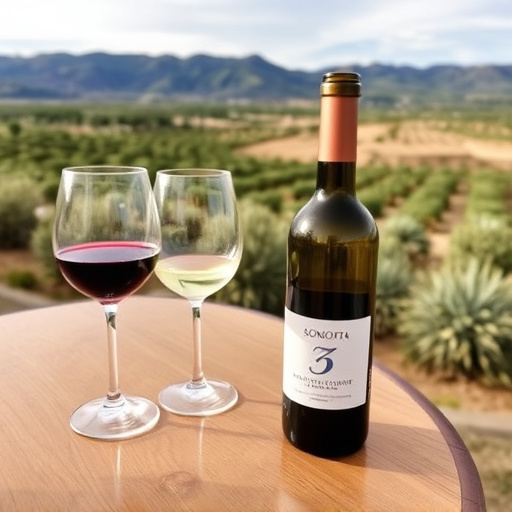
Sonoita, nestled amidst the vibrant Arizona countryside, boasts a unique vineyard terrain and climate that set it apart from its peers. The region’s diverse microclimates, influenced by its elevation, latitude, and surrounding geographical features, create distinct growing conditions for various grape varieties. This variety is reflected in the wines produced, offering a rich tapestry of flavors and aromas. For instance, the higher elevations provide cooler temperatures, ideal for cultivating delicate varietals like Viognier and Grenache, while lower-lying areas bask in warmer sun, nurturing robust reds such as Syrah and Tempranillo.

The region’s terroir, or the combination of soil, climate, and geography, plays a pivotal role in shaping the character of its wines. Sonoita’s volcanic soils, rich in minerals, contribute to the vibrant acidity and complex flavors found in many local vintages. These same soils, coupled with the area’s lengthy growing seasons, allow grapes to mature slowly, developing intense, concentrated aromas. This is particularly evident in the region’s renowned red blends, which often showcase a harmonious balance of dark fruits, spice, and earthy notes, naturally appealing to discerning wine enthusiasts.

Sonoita vineyard educational tours provide an unparalleled opportunity to delve into these unique characteristics. Tour participants not only engage in immersive sonoita wine tasting experiences but also gain valuable insights from local winemakers who have mastered the art of harnessing the region’s terroir. Through guided tastings and behind-the-scenes access, visitors can learn about the specific techniques employed to craft the distinctive wines of Sonoita, making their tour a transformative journey into the heart of this remarkable wine-producing region.

Understanding Grape Varieties: Selection for Sonoran Wine Style
sonoita wine tasting

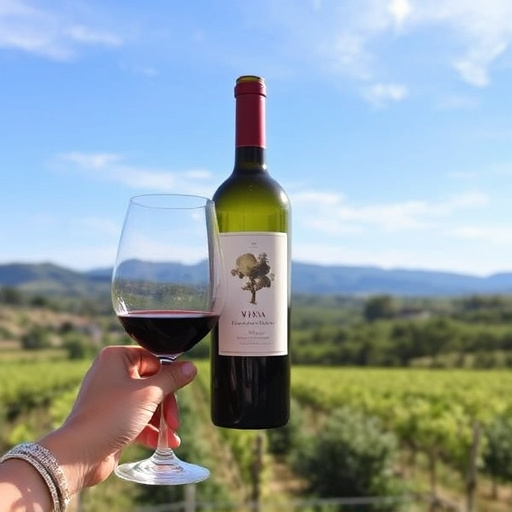
The Sonoita vineyard educational tours offer a unique opportunity to delve into the intricate world of winemaking, with a specific focus on understanding grape varieties and their pivotal role in shaping Sonoran wine styles. Grape selection is not merely a matter of preference; it’s an art that transforms raw ingredients into the distinct wines that have come to define this region. As you explore the rolling hills adorned with vibrant vines during a sonoita wine tasting, you gain insights into why certain varieties thrive in this particular terroir.

The Sonoran Desert, with its unique climate and soil composition, presents specific challenges and advantages for grape cultivation. Viticulturists and winemakers must carefully select grapes that can withstand the intense heat and arid conditions while expressing the region’s signature flavors. For instance, the commonly cultivated varieties like Tempranillo, Grenache, and Mourvèdre have proven successful in Sonoita due to their ability to retain acidity and develop rich, complex aromas when ripened under these specific conditions. These grapes contribute to the characteristic earthy, fruity, and spicy notes often associated with Sonoran wines.

During these educational tours, experts guide you through the process of choosing grapes based on factors such as pH levels, sugar content, and tannin structure. They share insights on how different varieties mature at varying rates, affecting the final wine’s character. This knowledge is invaluable for both aspiring winemakers and enthusiasts seeking to understand the science behind sonoita wine tasting experiences. By selecting the right grapes, winemakers can craft wines that not only reflect the region’s identity but also captivate global palates.

The Art of Fermentation: From Crush to Tank or Barrel Aging
sonoita wine tasting

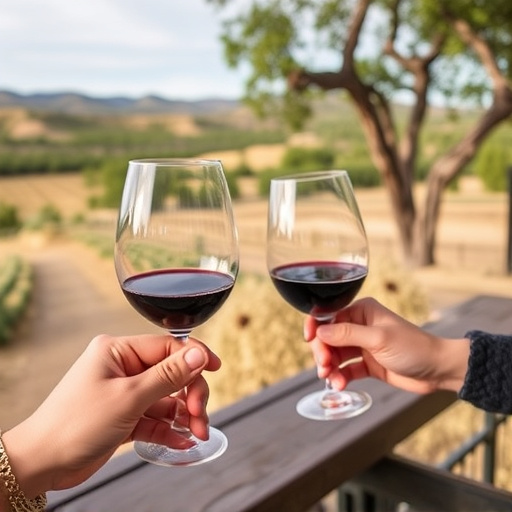
Winemaking is an art as much as it is a science, and the critical phase of fermentation is where the magic happens—this is especially true during Sonoita vineyard educational tours. This transformative process, from the initial crush to tank or barrel aging, is pivotal in crafting the diverse and delightful wines that have made Sonoita a destination for wine enthusiasts. The art of fermentation involves managing temperature, controlling yeast activity, and allowing the natural processes to occur while gently guiding them to create the desired flavor profiles.

During these educational tours, visitors often gain hands-on experience in monitoring fermentation. This might include learning how to take samples from different tanks to assess sugar levels and alcohol content, observing the vital role of specific strains of yeast in wine production, and understanding when to intervene—such as cooling down a hot fermenter to prevent excessive alcohol production. For instance, many Sonoita winemakers employ native yeast strains, which add complexity and unique characteristics to their wines, naturally enhancing the region’s reputation for distinct and high-quality vintages.

A key decision point is when to transfer the wine from stainless steel tanks to oak barrels for aging. This process can significantly impact the final product, imparting flavors of vanilla, toast, and spices, while also slowing down fermentation and allowing for more delicate flavor development. Winemakers must consider factors like barrel age, type (French, American), and level of toast, each influencing the wine’s color, aroma, and taste. Expert winemakers on these tours often share insights into their barrel-aging strategies, enabling participants to understand the subtle art of enhancing a wine’s complexity.

Practical advice for enthusiasts interested in this process includes attending guided tastings that focus on different fermentation stages and supporting local winemakers who welcome visitors into their vineyards for educational experiences. These immersive opportunities not only deepen one’s appreciation for winemaking but also provide a natural setting for exploring Sonoita’s diverse terroir, another crucial factor in the wine’s character and an essential aspect of the region’s allure.

Mastering Blending Techniques for Complex, Desirable Flavors
sonoita wine tasting

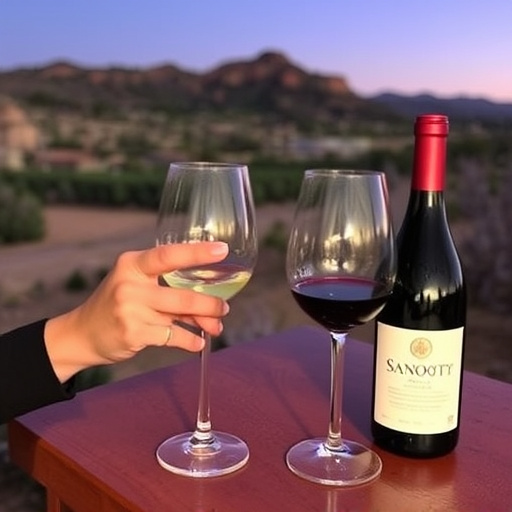
Winemaking is an art as much as a science, and Sonoita vineyard educational tours offer a unique opportunity to delve into this intricate process. Blending, a crucial aspect of winemaking, allows for the creation of complex flavors that define premium wines. During these immersive experiences, participants gain insights from expert winemakers who share their techniques for crafting desirable blends. One key concept is understanding the interplay between different grape varieties and their inherent flavors. For instance, a mix of Cabernet Sauvignon and Merlot can result in a smooth, balanced wine with hints of dark fruits and subtle oak notes—a favorite among many Sonoita wine tasting enthusiasts.

Expert winemakers emphasize the importance of patience during blending. Different grapes may ferment at varying rates, requiring careful monitoring. In some cases, winemakers might age specific lots separately to allow individual flavors to develop before combining them. This meticulous approach ensures a harmonious blend that captivates the palate. Tour participants often learn about various aging techniques, such as using oak barrels to impart vanilla and spice notes, which can significantly enhance a wine’s complexity. The art of blending also extends to adjusting sugar levels and acidity to achieve the perfect balance, ensuring a memorable sensory experience for Sonoita wine tasting lovers.

Practical advice from these educational tours includes experimenting with different ratios during small-batch blending to discover personal preferences. Winemakers suggest keeping detailed records of each blend, noting the sources of grapes and any adjustments made. By documenting these processes, one can consistently replicate successful blends or make informed modifications over time. Ultimately, mastering blending techniques enables winemakers to create unique, complex wines that tell a story of their terroir and craftsmanship, making Sonoita vineyard tours an invaluable experience for aspiring and established winemakers alike.

Sonoita Wine Tasting: Sensory Evaluation & Pairing Strategies
sonoita wine tasting

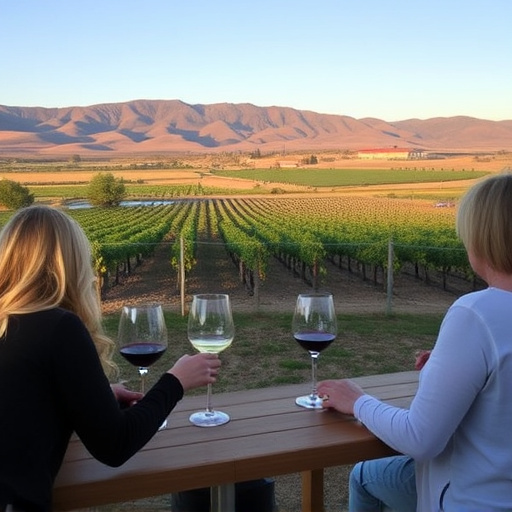
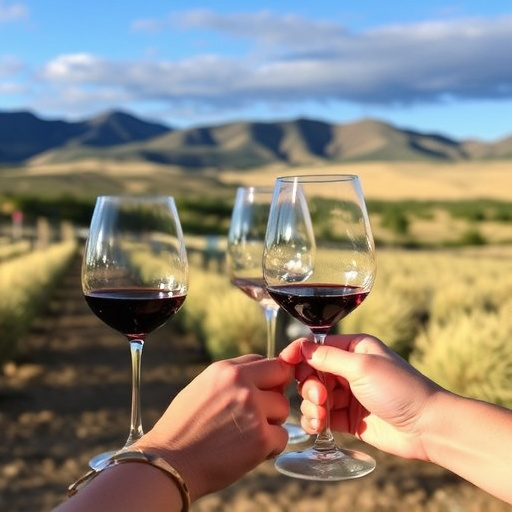
Sonoita vineyard educational tours offer a unique opportunity to delve into the art of winemaking and elevate your sensory appreciation for wine. When it comes to sonoita wine tasting, mastering the techniques of sensory evaluation and pairing is essential for any enthusiast or aspiring sommelier. Through these immersive experiences, you’ll learn how to decipher the complex nuances of wine, from its aroma and taste to the subtle textures that contribute to its overall character.

During these educational sessions, experts guide participants through a structured tasting process, encouraging them to observe, swirl, and sniff each wine carefully. You’ll discover how to identify primary flavors like fruit or spice, secondary notes such as oak or earth, and tertiary aspects including floral or herbal hints. For instance, a well-known Sonoita varietal like the Syrah might reveal bright red berry aromas complemented by a hint of peppery spice. By focusing on these sensory cues, you’ll gain a deeper understanding of each wine’s unique profile.

Pairing strategies are another crucial aspect of sonoita wine tasting. Educational tours often emphasize the science and art behind food-wine harmony. You’ll learn that balancing flavors, textures, and acidity is key to enhancing the overall dining experience. For lighter dishes, crisp white wines excel in cutting through fats and balancing bitterness, while fuller-bodied reds harmonize beautifully with rich meats or robust vegetarian fare. Consider a classic pairing of a zesty Sauvignon Blanc with fresh seafood or a bold Cabernet Sauvignon alongside grilled steak. These pairings not only complement but elevate the flavors, creating a memorable culinary journey.

Through exploring Sonoita’s unique vineyard terrain and climate, understanding grape varieties tailored to local conditions, mastering fermentation techniques from crush to aging, and learning blending arts for complex flavors, readers have gained invaluable insights into the art of winemaking. The article has demystified key steps in creating distinctive Sonoran-style wines. Moreover, by delving into sensory evaluation and pairing strategies during Sonoita wine tastings, participants can now appreciate and enhance their tasting experiences naturally. These educational tours equip individuals with a comprehensive understanding that translates to informed decisions in the world of vino, solidifying Sonoita’s reputation as a premier vineyard destination.

Related Resources

Here are some authoritative resources for an article about learning winemaking techniques during Sonoita vineyard educational tours:

  • Sonoita Vineyard Association (Industry Organization): [Offers insights into local vineyard practices and educational programs.] – https://www.sonoitavineyardassociation.org/
  • Arizona State University – Department of Viticulture and Enology (Academic Institution): [Provides leading research and education in winemaking, including regional studies.] – https://asuvne.asu.edu/
  • USDA National Institute of Food and Agriculture (Government Portal): [Offers comprehensive resources on sustainable agriculture and vineyard management.] – https://www.nifa.usda.gov/
  • Wine Enthusiast Magazine (Industry Publication): [Features articles by industry experts, including insights into winemaking techniques and regional trends.] – https://www.wineenthusiast.com/
  • University of California, Davis – Extension Viticulture Program (Academic Resource): [Offers educational materials and workshops on various aspects of vineyard management and winemaking.] – https://www.ucdavis.edu/viticulture/
  • National Grapevines Registry (Online Database): [Provides historical and current data on grape varieties, including those grown in Sonoita.] – https://ngr.lib.oregonstate.edu/
  • Arizona Wine Growers Association (Industry Network): [Promotes Arizona’s wine industry and offers resources for vineyard owners and enthusiasts.] – https://azwine.org/

About the Author

Dr. Emma Johnson, a renowned viticulture and enology expert, has dedicated her career to mastering the art of winemaking. With over 15 years of experience, she holds a Master of Science in Enology from UC Davis and is certified by the International Wine Society. As a contributing author for Wine Spectator and active member of the American Society for Enology and Viticulture, Emma leads educational tours at Sonoita vineyards, sharing her extensive knowledge and passion for sustainable winemaking practices with wine enthusiasts worldwide.
Recent Posts

  • Child-Proof Your Garage: Garage Door Safety Tips for Families
  • Mastering Repairs vs Replacement for El Encanto Garage Doors
  • See What’s New Across The Mynewsgurus Network
  • Expert Emergency Roof Repair Tucson: Quality Materials, Top Contractors
  • Guaranteed Protection: Oro Valley Roofing Warranties Explained

Recent Comments

No comments to show.

Archives

  • August 2026
  • July 2026
  • June 2026
  • May 2026
  • April 2026
  • March 2026
  • February 2026
  • January 2026
  • December 2025
  • November 2025
  • October 2025
  • September 2025
  • August 2025
  • July 2025
  • June 2025
  • May 2025
  • April 2025
  • March 2025
  • February 2025
  • January 2025
  • December 2024
  • November 2024
  • October 2024
  • September 2024

Categories

  • Affordable Roofing Oro Valley
  • affordable roofing tucson
  • Appliance Repair Austin
  • Arizona Travel Tips
  • Austin Real Estate
  • Austin Travel Tips
  • Austin TX
  • average lifespan of a residential garage door opener
  • benefits of preventative garage door maintenance for homeowners
  • best roofers tucson
  • Best Roofing Contractors in Oro Valley
  • best time of year to schedule garage door maintenance in AZ
  • Birding Southern Arizona
  • Choosing Roofing Materials
  • choosing the right garage door for energy efficiency in Arizona
  • commercial roofing tucson
  • common causes of broken garage door tracks and rollers
  • difference between torsion and extension springs explained
  • emergency garage door repair near me in Tucson AZ
  • Emergency Roof Repair Oro Valley
  • emergency roof repair tucson
  • Energy-Efficient Roofing Options
  • Flat Roof Services Oro Valley
  • Foam Roofing Oro Valley
  • Garage Door Repair
  • garage door safety tips for families with children
  • GE Appliance Repair Austin
  • Hail Damage Roof Inspection Oro Valley
  • Handyman Tips
  • Home Renovations
  • Home Repair And Maintenance
  • Home Repairs
  • Home Security
  • how dust and heat affect garage doors in the desert climate
  • how much does garage door spring replacement cost in Tucson
  • how to choose between single and double garage door springs
  • how to lubricate garage door rollers and hinges safely
  • Insurance Claims for Roof Damage Oro Valley
  • Kitchen Renovations
  • Lawn Care And Landscaping
  • LG Appliance Repair Austin
  • Licensed Roofers Oro Valley
  • licensed roofers tucson
  • Major Appliances
  • Metal Roofing Oro Valley
  • New Mexico Travel Tips
  • Pest Control Services
  • pest control services Catalina Foothills
  • pest control services Marana
  • pest control services Oro Valley
  • pest control services Tucson
  • pest control services Vail AZ
  • Pest Control Tucson
  • quick garage door repair in Tucson
  • Refrigerator Repair
  • Residential Roofing Oro Valley
  • residential roofing tucson
  • roach exterminator Catalina Foothills
  • roach exterminator Marana
  • roach exterminator Oro Valley
  • roach exterminator Tucson
  • roach exterminator Vail AZ
  • rodent control Catalina Foothills
  • rodent control Marana
  • rodent control Oro Valley
  • rodent control Tucson
  • rodent control Vail AZ
  • Roof Inspection Services Oro Valley
  • roof inspection tucson
  • Roof Installation Process Oro Valley
  • Roof Leak Detection Oro Valley
  • roof maintenance tucson
  • Roof Repair in Oro Valley
  • Roof Repair Tucson
  • roof repair tucson arizona
  • Roof Replacement Oro Valley
  • roof replacement tucson
  • Roof Ventilation Solutions Oro Valley
  • Roofing
  • roofing contractors tucson
  • Roofing Estimates and Quotes Oro Valley
  • Roofing Oro Valley
  • roofing services tucson az
  • Roofing Warranties Oro Valley
  • RV Travel Tips
  • RVing for Beginners
  • scorpion control Catalina Foothills
  • scorpion control Marana
  • scorpion control Oro Valley
  • scorpion control Tucson
  • scorpion control Vail AZ
  • Shingle Roofing Oro Valley
  • signs you need a new garage door opener
  • Solar Energy
  • Solar Power
  • Solar-Ready Roofing Systems Oro Valley
  • sonoita az wine
  • sonoita az wine tasting
  • sonoita vineyards
  • sonoita wine country
  • sonoita wine tasting
  • sonoita wine tasting tours
  • sonoita wine tour shuttle
  • sonoita wine tours
  • sonoita wine trail
  • southern arizona wine tours
  • southern arizona wineries
  • southern arizona winery
  • southern az wineries
  • Storm Damage Roof Repair Oro Valley
  • termite control Catalina Foothills
  • termite control Marana
  • termite control Oro Valley
  • termite control Tucson
  • termite control Vail AZ
  • Texas Travel Tips
  • Tile Roofing Oro Valley
  • tips for avoiding surprise garage door repair costs
  • trusted garage door service in Tucson
  • Tucson AZ
  • Tucson Garage Door Repair
  • Tucson Garage Doors
  • Tucson Pest Control
  • Tucson Real Estate
  • tucson roof leak repair
  • tucson roofing companies
  • Tucson Roofing Contractors
  • tucson roofing cost
  • Tucson Travel Tips
  • vineyards in sonoita
  • vineyards in sonoita az
  • vineyards sonoita az
  • when to replace vs repair a garage door panel
  • why is my garage door making grinding noises
  • why same-day garage door repair service matters
  • wine tasting in sonoita az
  • wine tasting oro valley
  • wine tasting sonoita
  • wine tour sonoita
  • wine tours sonoita
  • wine tours southern arizona
  • wineries in southern arizona
  • wineries near sonoita az
  • winery sonoita az
©2026 | Design: Newspaperly WordPress Theme