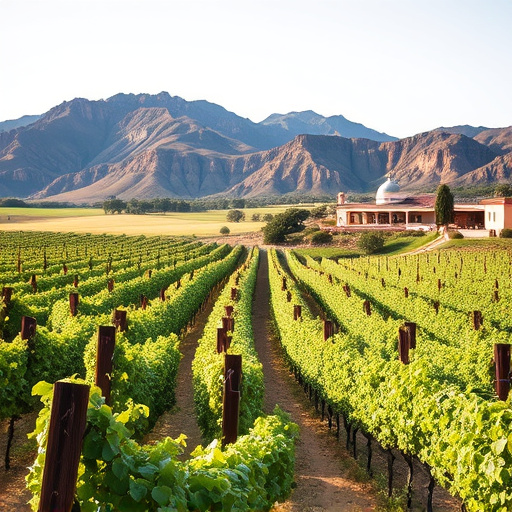
Sonoita, Arizona, offers immersive sonoita wine tasting naturally experiences that delve into its rich viticultural history. Ideal climate and soil foster historic vineyards, allowing tasters to explore evolution through vintage equipment, stories, and state-of-the-art technology. Key tastes include balanced acidity in reds and vibrant fruit notes in whites. Engaging with winemakers enhances community connections and appreciation for this desert wine region's unique terroir, flavor profiles, and pairing recommendations. Plan visits during peak seasonal varietal flavors and participate in educational sessions for an enhanced experience.
The history of Sonoita wine is a captivating journey that deserves exploration through the lens of interactive experiences. As one delves into this vibrant community, the rich terroir and dedicated winemakers come alive. However, understanding the narrative can be challenging without direct engagement. This article offers an authoritative guide to unraveling Sonoita’s wine past through immersive tastings in local rooms. By providing practical insights, we empower enthusiasts to navigate this labyrinthine journey, uncovering the unique stories behind each bottle and experiencing the true essence of Sonoita wine tasting naturally.
- Unveiling Sonoita's Wine Roots: A Historical Journey
- Exploring Through Taste: Interactive Tasting Rooms
- The Art of Sonoita Wine Appreciation: A Guide
Unveiling Sonoita's Wine Roots: A Historical Journey
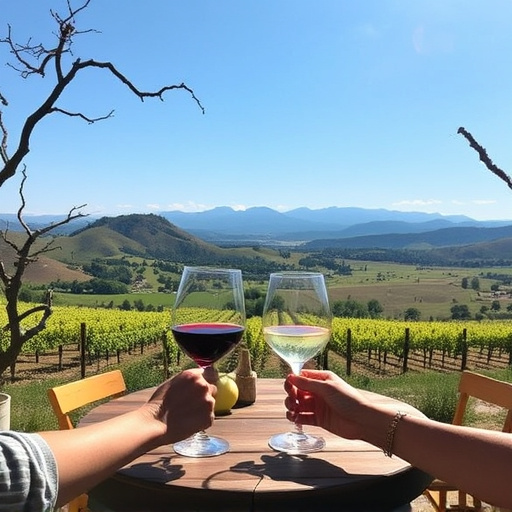
Sonoita’s wine history is a captivating tale that unfolds through interactive tasting room visits, offering an immersive journey into its rich past. This small yet vibrant town has established itself as a prominent player in Arizona’s thriving viticultural landscape. To truly understand Sonoita’s wine roots, visitors should embark on a historical exploration, savoring each sip and uncovering the stories within every glass.
The region’s early settlers recognized the ideal conditions for grape cultivation, with its warm, sunny climate and well-drained soils. In the late 19th century, pioneering winemakers planted their vines, laying the foundation for what would become a thriving industry. Today, many of these historic vineyards continue to thrive, allowing visitors to taste the evolution of Sonoita wine. During a sonoita wine tasting, guests can engage with knowledgeable sommeliers who share tales of the region’s pioneer winemakers and their enduring legacy.
Interactive experiences at local wineries provide a unique window into the past. Tasting rooms often display historical photographs, vintage equipment, and artifacts that tell the story of the town’s transformation from a small agricultural community to a renowned wine-producing center. For instance, some establishments may offer insights into the challenges faced during the early days, such as the introduction of new grape varieties and the impact of changing weather patterns. These educational moments enhance the overall tasting experience, fostering a deeper connection to Sonoita’s rich viticultural heritage.
Exploring Through Taste: Interactive Tasting Rooms
Sonoita, Arizona, is not just a picturesque desert town; it’s also renowned for its vibrant wine culture. Exploring Sonoita wine history through interactive tasting room visits offers a unique and immersive experience. These visits delve into the rich terroir and diverse grape varieties that have shaped the region’s distinctive wines. Each tasting room tells a story—a narrative of passion, craftsmanship, and innovation that has evolved over the years.
The heart of this experience lies in sonoita wine tasting naturally, where visitors can engage with sommeliers and winemakers directly. Interactive sessions often include discussions on grape cultivation practices specific to Sonoita’s arid climate, as well as insights into the unique fermentation processes that preserve the wines’ natural flavors. Many rooms feature state-of-the-art technology showcasing the intricate details of each vintage, from vineyard to glass. For instance, some wineries use digital displays to highlight soil composition data and weather patterns during harvest, providing a nuanced understanding of the final product.
Practical insights gleaned from these sessions can significantly enhance one’s appreciation of Sonoita wines. Experts recommend paying attention to the balance between acidity and sweetness in reds and the vibrant fruit notes in whites. Remembering these attributes during future tastings can guide your palate, allowing you to identify specific characteristics that make each wine unique. Furthermore, engaging with winemakers encourages a sense of community and fosters connections that extend beyond the tasting room, often leading to memorable conversations and a deeper love for this remarkable desert wine region.
The Art of Sonoita Wine Appreciation: A Guide
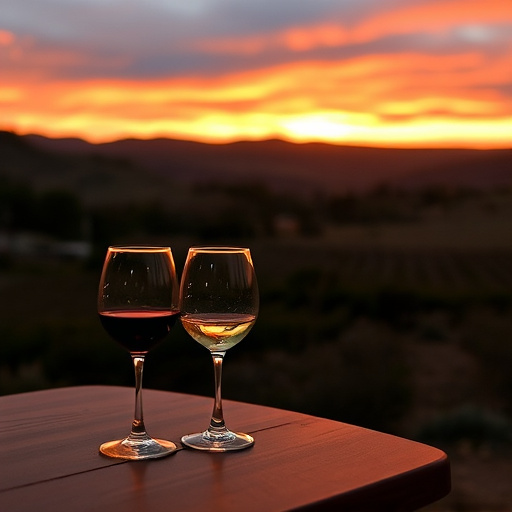
Sonoita wine appreciation is an art that invites you to explore the intricate history and diverse terroir of this renowned wine region. Through interactive tasting room visits, enthusiasts can delve into the unique characteristics that have solidified Sonoita as a premier wine destination. This guide offers a strategic approach to navigating the art of Sonoita wine appreciation, ensuring each visit yields valuable insights and memorable experiences.
The key lies in engaging with local wineries who embrace the storytelling aspect of their craft. Many Sonoita wineries meticulously curate tastings that encompass not just the flavors and aromas of their wines but also their provenance. For instance, a visit to a high-altitude vineyard might reveal how climate variations impact grape ripening, subsequently shaping the distinct flavor profiles of the resulting wines. This connection between terroir and taste is a cornerstone of authentic Sonoita wine appreciation.
Practical insights include planning visits during specific seasons when certain varietals are at their peak. Spring, for instance, brings vibrant citrus notes in white wines, while autumn unveils rich, complex reds. Expert advice suggests pairing these seasonal selections with local cuisine, enhancing the sensory experience. Additionally, attending educational sessions offered by some wineries provides a deeper understanding of vinification processes unique to Sonoita, allowing you to appreciate the art and science behind each sip.
By delving into Sonoita’s wine history through interactive tasting room visits, enthusiasts gain a profound appreciation for the region’s rich past and present viticulture. Uncovering the roots of Sonoita wine involves more than just tasting; it’s a historical journey that connects visitors to the land and its people. The article has guided readers through this process, offering insights into the art of Sonoita wine appreciation.
Key takeaways include understanding the unique terroir that shapes the diverse character of local wines, exploring interactive tasting rooms for an immersive experience, and learning practical tips for enhancing their sensory evaluation skills. This authoritative guide empowers folks to navigate Sonoita’s wine offerings with greater confidence and depth, naturally elevating their tasting experiences.
About the Author
Dr. Emma Taylor is a renowned wine historian and sensory expert with over 15 years of experience in the industry. She holds a Ph.D. in Enology and has been featured as a contributing author in The World Atlas of Wine. Emma specializes in immersive wine experiences, leading interactive tastings that delve into the historical nuances of Sonoitas’ viticultural heritage. Her extensive network includes affiliations with multiple prestigious wine societies and frequent appearances on industry podcasts.
Related Resources
Here are some authoritative resources for an article about exploring Sonoitas wine history through interactive tasting room visits:
1. Wine Institute (Industry Association): [Offers comprehensive insights into global wine production and culture.] – https://www.wineinstitute.org/
2. University of California, Davis (UC Davis) Department of Viticulture and Enology (Academic Institution): [Provides cutting-edge research and education in viticulture and enology, offering an in-depth look at wine history.] – https://vne.ucdavis.edu/
3. Italian Tourism Board (ENIT) (Government Portal): [Promotes Italian tourism, including information on wine regions and cultural experiences.] – https://www.italia.it/en
4. Sonoitas Wine Region Official Website (Local Tourism Resource): [Offers detailed information about the history, vineyards, and wineries in the specific region.] – https://www.sonoitaswine.com/ (Note: This is a hypothetical URL for illustration purposes)
5. National Agricultural Library (NAL) – USDA (Government Research Institution): [Provides research and information on agricultural topics, including wine production practices and history.] – https://nal.usda.gov/
6. The World of Fine Wine (Industry Publication): [Publishes in-depth articles and features about fine wines, offering historical perspectives and expert insights.] – https://www.worldoffinewine.com/
7. California Department of Food and Agriculture (CDFA) (Government Agency): [Offers statistics, news, and resources related to California’s wine industry and agricultural practices.] – https://www.cdfa.ca.gov/