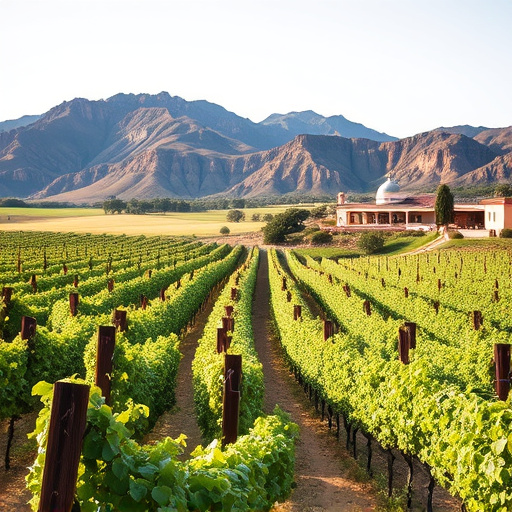
Sonoita's wine industry thrives on its distinctive terroir, characterized by diverse geography, microclimates, and soil types. This creates unique grape varieties, particularly Grenache, Mourvèdre, and Tempranillo, with deep flavors and rich aromas. High elevation contributes to lower pH levels, resulting in balanced, acidic wines. Local wine tastings highlight these nuances, offering visitors a chance to engage with winemakers and appreciate the region's history and traditional techniques. Sonoita's terroir shapes versatile and complex wine profiles, from crisp white blends to structured red wines, encouraging both organic and innovative viticultural practices. Authentic experiences involve visiting family-run wineries in the Sonoran Desert, enjoying guided tastings, and exploring unique vineyard tours.
The Sonoita terroir, a unique wine-growing region, has garnered increasing attention for its distinctive flavors and aromas. Understanding this terroir is crucial for both wine enthusiasts and industry professionals, as it offers a distinct sensory experience compared to other regions. However, navigating the complexities of Sonoita’s terroir can be challenging for newcomers. This article aims to provide an authoritative guide through expert local insights, offering a comprehensive exploration of what makes Sonoita wines so special. By delving into the unique characteristics and history, readers will gain a deeper appreciation for the art of Sonoita wine tasting.
- Unlocking Sonoita's Unique Terroir: An Introduction
- Exploring the History of Wine in Sonoita Valley
- Deciphering Sonoita's Soil and Climate for Grape Growth
- The Art of Sonoita Wine Making: Expert Insights
- A Sensory Journey: Tasting Sonoita's Diverse Wines
- Where to Experience Authentic Sonoita Wine Tastings
Unlocking Sonoita's Unique Terroir: An Introduction
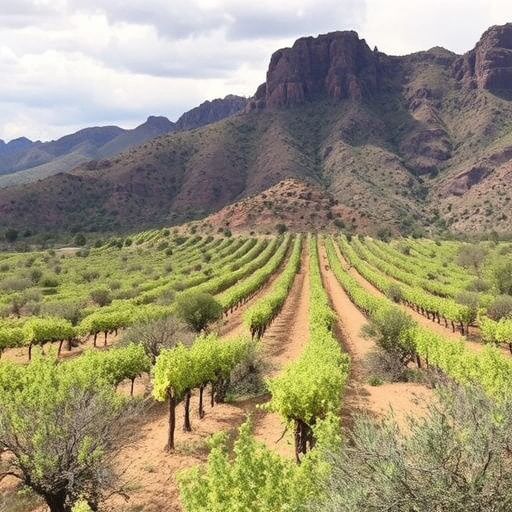
Sonoita’s terroir, a term that captures the unique character of its wine-growing conditions, is a subject of fascination among connoisseurs and an essential aspect to understand for any serious wine enthusiast. This Arizona region has carved out a distinct niche in the American wine landscape, offering flavors and styles that differ significantly from its more renowned counterparts. The key to Sonoita’s terroir lies in its diverse geography and climate, both of which play pivotal roles in shaping the grapes that become its signature wines.
The area boasts a varied terrain, ranging from rugged mountains to fertile valleys, with elevations varying from approximately 2,600 feet to over 5,000 feet above sea level. This dramatic elevation change significantly influences temperature and sunlight exposure, creating microclimates that support the cultivation of diverse grape varieties. The hot, dry summers and cool nights provide an ideal environment for grapes like Grenache, Mourvèdre, and Tempranillo, renowned for their deep flavors and rich aromas. For instance, a recent study by the Arizona Wine Growers Association revealed that Sonoita’s high elevation and varied soil types contribute to lower pH levels in the grapes, resulting in wines with exceptional balance and acidity—a hallmark of the region.
One of the most distinctive features of Sonoita terroir is its ability to produce distinctively flavored wines, often characterized by intense fruit notes, savory undertones, and unique minerality. This natural diversity encourages winemakers to experiment with different blends and techniques, enhancing the overall complexity and quality of Sonoita wine. A visit to local vineyards and engaging in sonoita wine tasting provides a direct connection to this terroir, allowing you to discover for yourself the subtle nuances that make these wines so captivating.
Exploring the History of Wine in Sonoita Valley
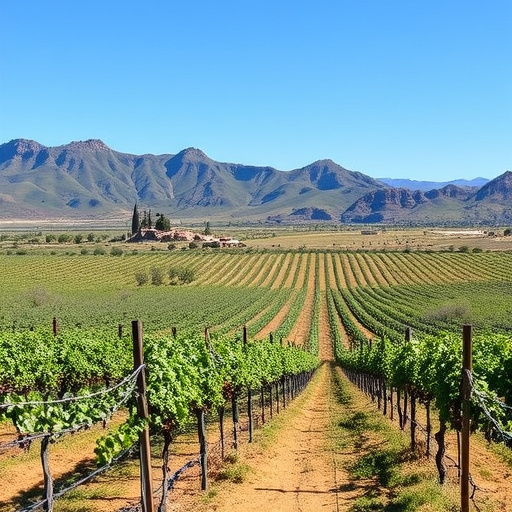
The history of wine in Sonoita Valley is a fascinating tale woven into the very fabric of this Arizona community. Wine production here dates back to the early 20th century when Italian immigrants, drawn by the region’s favorable climate and fertile soil, established vineyards and wineries along the banks of the San Pedro River. These pioneers laid the groundwork for what would become known as the Sonoita terroir—a unique blend of geography, climate, and vineyard practices that contribute to its distinctive wines.
Over time, Sonoita Valley has evolved into a vibrant wine-producing region, boasting over 40 wineries today. This growth can be attributed not only to the initial efforts of these Italian immigrants but also to the region’s natural advantages, such as its high elevation, sunny skies, and cool evenings that create ideal conditions for grape cultivation. The valley’s diverse microclimates and soil types allow for a wide range of grape varieties, including popular choices like Grenache, Mourvèdre, Syrah, and Zinfandel.
Sonoita wine tasting has become an integral part of the local culture, attracting enthusiasts from around the world who come to experience the region’s unique offerings. Visiting wineries here offers more than just a taste of excellent wine; it provides insights into the history and passion behind each bottle. Many locals and visitors alike find themselves captivated by the stories of families who have tended these vineyards for generations, their traditions and techniques passed down through the years. This deep connection to the land and its heritage is what truly sets Sonoita wines apart.
Deciphering Sonoita's Soil and Climate for Grape Growth
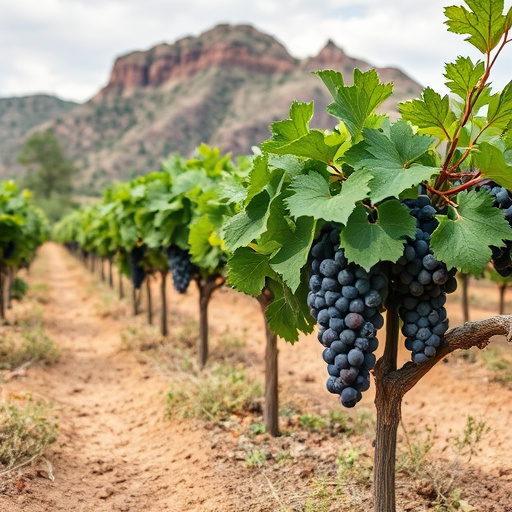
Sonoita’s terroir is a complex interplay of soil composition and climate, both of which play pivotal roles in shaping the unique character of its wines. The region boasts a diverse range of soil types, from sandy loams to clay-rich silts, each with distinct drainage and nutrient profiles that influence grape development. For instance, the well-draining sandy soils allow for optimal air penetration around the roots, promoting healthy grapevines while minimizing the risk of root rot. Conversely, clay-rich soils retain moisture more effectively, providing a steady water supply to vines during dry spells but requiring careful management to prevent waterlogging.
Climate is another critical factor in Sonoita’s wine quality. The region enjoys a Mediterranean climate characterized by warm, dry summers and cool, wet winters. These seasonal variations trigger specific physiological responses in grapevines, contributing to their distinctive flavor profiles. Hot days during the growing season encourage grapes to ripen fully, accumulating concentrated sugars that translate into rich, robust wines. Meanwhile, chilly nights help preserve acidity, a key component in balancing the wine’s overall character. The region’s microclimates, influenced by elevation and topography, further diversify grape expressions. High-altitude vineyards, for example, often produce lighter, more elegant wines due to lower sun exposure and cooler temperatures, while lower-lying areas tend to yield fuller-bodied, more intense fruits.
For wine enthusiasts looking to explore Sonoita’s terroir through tasting, focusing on these soil and climate nuances can enhance the sensory experience. During sonoita wine tasting, pay attention to the subtle differences in fruit flavors, acidity levels, and body that reflect the unique environmental influences behind each bottle. Engaging with local experts can provide valuable insights into specific vineyards’ practices and their impact on grape quality, enabling a deeper connection with Sonoita’s distinctive terroir.
The Art of Sonoita Wine Making: Expert Insights
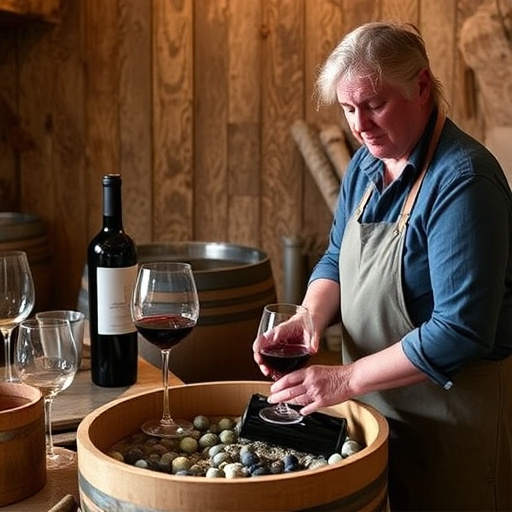
The art of Sonoita wine making is a delicate dance between nature and nurture, where the unique terroir of the region plays as much a role as the winemaker’s skill. Located in Arizona’s Sonoran Desert, Sonoita boasts some of the oldest vineyards in the state, nestled against the picturesque Santa Catalina Mountains. This combination of desert heat and mountain-cooling breezes creates a microclimate that fosters distinctively complex wines.
Experts attribute much of Sonoita’s quality to its volcanic soil, rich in minerals that contribute unique flavor profiles to each vintage. Local guides often emphasize the importance of patience during the growing season, allowing grapes to mature slowly under the intense desert sun. This natural process allows for concentrated sugars and acids, leading to well-balanced wines with distinct character. For instance, many Sonoita red blends showcase a symphony of flavors ranging from dark berries to subtle herbs, reflecting the region’s distinctive terroir.
Sonoita wine tasting naturally offers visitors an opportunity to engage directly with these unique expressions. Local wineries often host events showcasing their latest releases, providing a chance for enthusiasts to explore the diversity of the region. Expert advice suggests seeking out smaller, family-owned operations where winemakers are more likely to share their passion and knowledge. These intimate settings allow for deeper insights into the art and science behind Sonoita’s renowned wines, fostering a genuine appreciation for this remarkable terroir.
A Sensory Journey: Tasting Sonoita's Diverse Wines
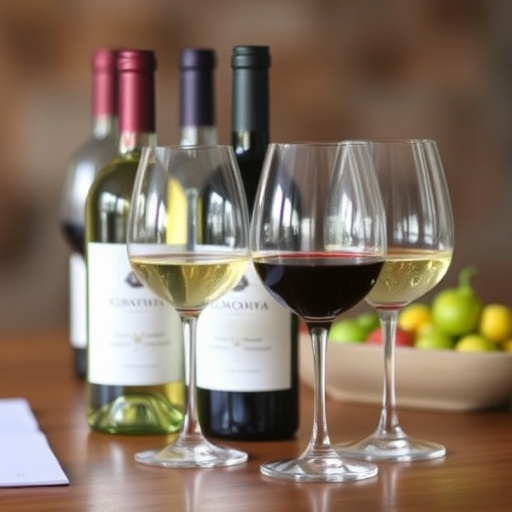
Sonoita’s terroir is a fascinating interplay of geography, climate, and soil, all contributing to its distinctive wine profiles. A sensory journey through this region reveals a diverse range of flavors that reflect the unique characteristics of each vineyard. During a sonoita wine tasting, visitors can expect to encounter wines that showcase both versatility and depth. For instance, the area’s high elevation and cool nights slow down ripening, allowing grapes to retain their acidity and develop complex aromatics. This is evident in the crisp white blends that offer notes of citrus, mineral, and herbal nuances.
Red wine enthusiasts will find a wealth of choices as well. The warm days and cool evenings create an ideal environment for grape varieties like Grenache, Syrah, and Tempranillo to flourish. These wines often present rich fruit flavors—from ripe berries to dark fruits—balanced by structured tannins. A notable example is the deep-colored, full-bodied reds that originate from south-facing vineyards, where sun-kissed grapes mature slowly, concentrating their flavors.
Sonoita’s microclimates and varied terrain also enable diverse viticultural practices. Some wineries employ organic or biodynamic methods, fostering a harmonious relationship with the land that translates into unique, expressive wines. These artisanal approaches can result in more nuanced, complex drinks that capture the true essence of sonoita terroir. When engaging in a sonoita wine tasting, being open to these variations will enhance your appreciation for the region’s exceptional diversity.
Where to Experience Authentic Sonoita Wine Tastings
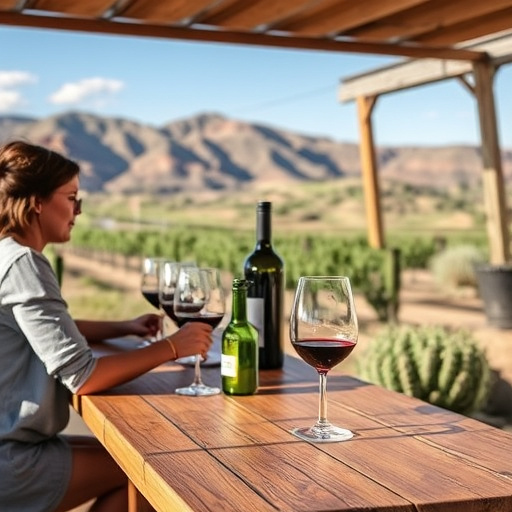
To experience authentic Sonoita wine tastings, look no further than the region’s hidden gems—intimate wineries nestled among the picturesque Sonoran Desert landscapes. These family-run operations offer a stark contrast to the large-scale production facilities, allowing visitors to delve into the unique terroir of Sonoita. Each winery boasts its own distinct character, from historic adobe structures to modern, eco-friendly designs, all reflecting the area’s rich history and commitment to sustainability.
Guided tastings at these boutique establishments provide a deep dive into the local viticulture. Expert local wine guides share insights on the region’s microclimates and diverse soil compositions, which contribute to the distinct flavors of Sonoita wines. Expect to sample a curated selection that highlights both traditional grape varieties and innovative blends, showcasing the diversity that has earned Sonoita its reputation as a premier wine destination. Many wineries also offer tours of their vineyards, offering visitors a chance to witness firsthand the care and craftsmanship invested in each bottle.
The best way to navigate this culinary labyrinth is by joining organized tasting tours or seeking out local guides who can personalize your experience. These professionals can guide you through the vast array of options, ensuring you leave with a newfound appreciation for Sonoita wine and its natural terroir. Whether you’re a seasoned sommelier or a curious connoisseur, authentic sonoita wine tastings promise to be an unforgettable journey for senses.
By exploring the unique terroir of Sonoita, delving into its historical roots, understanding soil and climate dynamics, and appreciating the art of local wine-making, readers have gained invaluable insights into what makes Sonoita wines so distinctive. This article has highlighted the importance of expert guides in navigating this complex landscape, offering a sensory journey through diverse vintages. For those eager to experience authentic Sonoita wine tastings, the practical suggestions provided offer a clear path. These learnings not only deepen one’s appreciation for the region’s viticulture but also empower enthusiasts to engage in meaningful sonoita wine tasting, connecting them to the rich history and distinct character of this remarkable terroir.