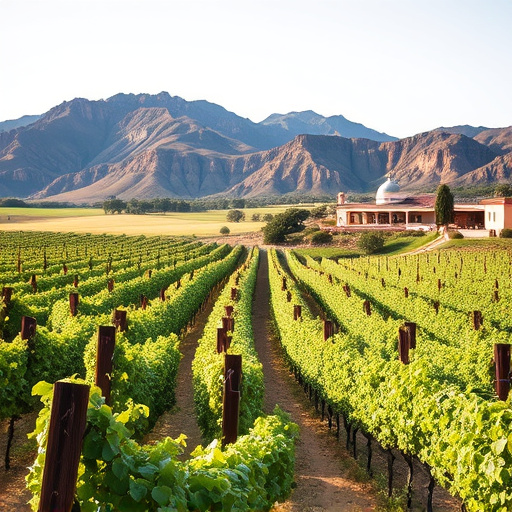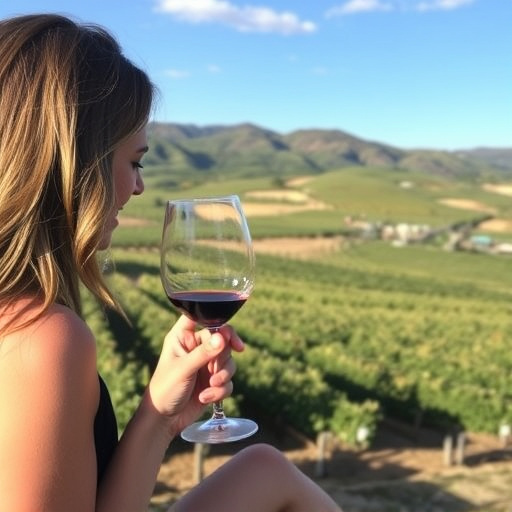
Sonoita wine tasting offers a unique experience due to high elevation (over 4,000 feet) allowing slower grape ripening for complex flavors. Diverse clones and techniques produce character wines. Microclimates and varied soils create vast flavor spectrums from crisp whites to full-bodied reds. To maximize experiences: visit during peak season, plan tastings showcasing various terroirs, engage with sommeliers or owners, observe color, swirl and smell, take small sips, consider palate cleansing, and enjoy each wine's story. High-elevation wines display distinct characteristics like bright fruits, crisp acidity, and earthy undertones, with varietal specifics like high-elevation Syrah offering blackberry, peppercorn, and lavender notes. Engaging with winemakers deepens understanding of terroir-driven nuances during sonoita wine tasting adventures.
High elevation wines have long captivated connoisseurs for their unique terroir and distinct flavors. In the vibrant landscape of Sonoita, Arizona, a true gem awaits wine enthusiasts seeking authentic experiences. This small, yet thriving community is renowned for its vineyard tasting adventures, offering a chance to explore the art of high-altitude viticulture naturally. Our authoritative guide delves into the intricacies of these immersive journeys, providing insights into the benefits and unique characteristics of Sonoita wine tasting. Prepare to uncover why this destination captivates experts and how it promises an unforgettable journey through the realms of culinary delight.
- Discover Sonoita's Elevated Wine Terroirs
- Navigating High-Altitude Grape Varieties
- The Art of Sonoita Vineyard Tasting
- Unlocking Unique Flavors: A Guide to High Elevation Wines
Discover Sonoita's Elevated Wine Terroirs
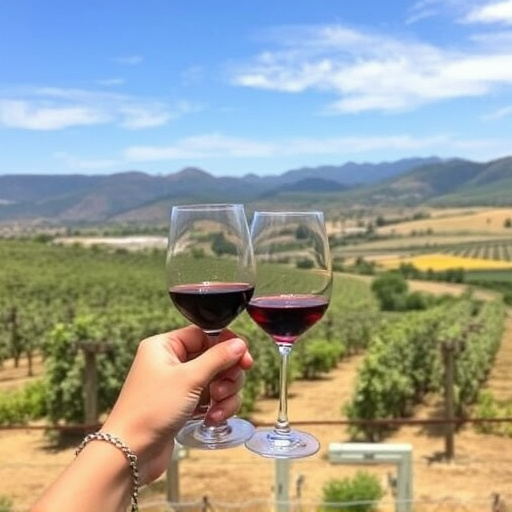
Sonoita’s elevated wine terroirs offer a unique experience for connoisseurs seeking exceptional wines. The region’s high elevation, averaging over 4,000 feet above sea level, provides ideal conditions for cultivating diverse grape varieties. This altitude contributes to a slower ripening process, allowing grapes to develop complex flavors and aromas that are often absent at lower elevations. Viticulturists in Sonoita have embraced this natural advantage, experimenting with various clones and techniques to produce wines of remarkable character.
The distinct microclimates within the region further enhance the terroir-driven experiences during sonoita wine tasting adventures. Soils vary from gravelly and sandy to rich volcanic loam, each influencing the expression of grapes grown there. These variations create a diverse range of wines, from crisp white varieties like Sauvignon Blanc and Riesling, to full-bodied reds such as Syrah, Cabernet Sauvignon, and Zinfandel. As a result, visitors can expect to encounter a vast spectrum of flavors during their tasting journeys, making each experience uniquely Sonoita.
Practical advice for maximizing the benefits of these terroir-focused experiences includes visiting during optimal times of year when grapes are in peak season, planning tastings at different vineyards showcasing various terroirs, and engaging with knowledgeable sommeliers or vineyard owners who can offer insights into the unique characteristics of each wine. By immersing oneself in Sonoita’s elevated wine terroirs, both novice and experienced palates can appreciate the profound impact of environment on winemaking artistry.
Navigating High-Altitude Grape Varieties
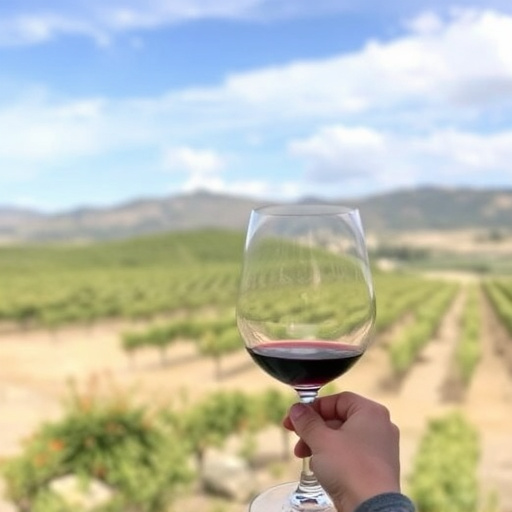
High-elevation grape varieties are a unique and fascinating aspect of Sonoita wine tasting adventures. As vines ascend to greater altitudes, they encounter distinct environmental challenges that significantly impact their growth and flavor profiles. These conditions include cooler temperatures, reduced sunlight, and varying soil compositions. Expert winemakers in Sonoita have meticulously studied and harnessed these variations, crafting wines with remarkable complexity and character. For instance, the region’s high-altitude Cabernet Sauvignon often exhibits intense flavors of blackcurrant and dark chocolate, complemented by a crisp acidity that lends balance to the wine.
Navigating these diverse microclimates requires meticulous viticultural practices. Winemakers in Sonoita employ techniques such as canopy management, where they carefully control the exposure of grape leaves to sunlight, to optimize fruit ripening. This precision ensures that grapes reach ideal sugar levels and acidities, resulting in wines of exceptional quality. Additionally, the region’s volcanic soils, rich in minerals, contribute unique flavor notes that can range from spicy and peppery to earthy and stone-like, depending on the specific vineyard location and grape variety.
Sonoita wine tasting naturally offers an unparalleled opportunity to explore these high-altitude varieties. When visiting local vineyards, take the time to inquire about the elevation of the vines and the unique challenges they face. Sommeliers and winemakers will often share insights into how these factors influence the final product. Engaging in such conversations enriches your tasting experience, allowing you to truly appreciate the art and science behind crafting these exceptional wines. Remember, understanding the relationship between terroir and taste is key to unlocking the full depth and beauty of high-elevation grape varieties.
The Art of Sonoita Vineyard Tasting
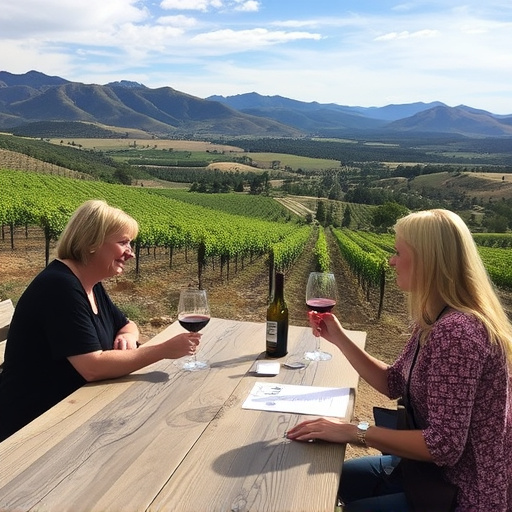
The art of Sonoita vineyard tasting involves a nuanced approach to savoring high elevation wines. This region, nestled amidst majestic landscapes, offers unique terroir that significantly influences the character of its vintages. Experts recommend allowing your senses to guide you through each sip, taking note of the wine’s aroma, taste, and finish. The subtle nuances of high-altitude grapes can be easily missed without a methodical yet relaxed tasting strategy.
Sonoita wine tasting naturally lends itself to sensory exploration. Start by observing the color and clarity of the wine. Swirl it gently in your glass to release aromatic compounds, then take a deep breath to identify floral or fruity notes. Take small sips, allowing the liquid to coat your palate for optimal taste perception. Focus on identifying various flavors—fruits, herbs, spices—and consider how they interact with each other and the wine’s acidity and tannin levels. Pay attention to the length of the finish; a long, lingering aftertaste often indicates a well-crafted wine.
Practical insights from seasoned sommeliers suggest maintaining a clean glass for each wine to avoid carryover flavors. Take your time between tastings to clear your palate, ensuring you’re fully appreciating each unique offering. Remember, sonoita vineyard tasting adventures are not just about identifying flavors but also about connecting with the story behind each bottle—the history of the vineyard, the winemaker’s philosophy, and the year’s climate conditions that shaped the wine. This immersive experience elevates the simple act of drinking to an art form.
Unlocking Unique Flavors: A Guide to High Elevation Wines
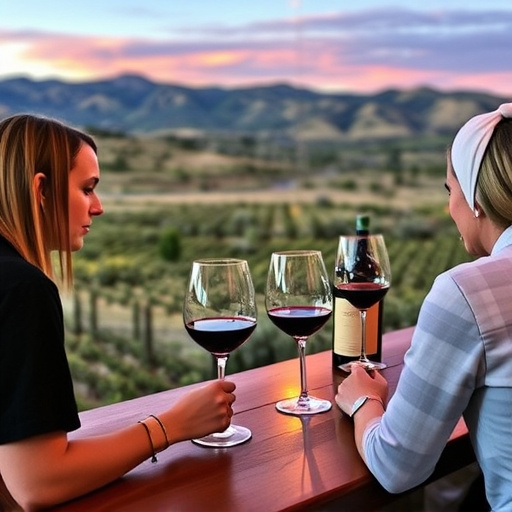
High elevation wines, a specialty of Sonoita wine tasting adventures, offer an unparalleled sensory experience for connoisseurs. These wines, grown at elevations exceeding 3,000 feet, often display distinct characteristics that set them apart from their lower-altitude counterparts. The unique terroir, characterized by cooler temperatures and reduced sunlight, slows down ripening, allowing grapes to accumulate higher levels of natural sugars and acids. This delicate balance results in wines with enhanced flavors and aromas, often showcasing notes of bright red fruits, crisp acidity, and earthy undertones.
Sonoita’s high elevation vineyards, nestled amidst the majestic Arizona mountains, provide an ideal environment for these exceptional wines. The region’s arid climate and sandy soils further contribute to the grapes’ intense flavor profiles. When engaging in a Sonoita wine tasting tour, pay close attention to the varietal specifics. For instance, Syrah grown at high elevations often exhibits flavors of blackberry, peppercorn, and subtle hints of lavender, while Chardonnay may display citrus zest, apple pie, and a touch of oakiness.
Unraveling the unique flavors of high elevation wines requires a discerning palate and an understanding of their terroir-driven nuances. During your Sonoita wine tasting adventures, don’t be afraid to ask winemakers about their specific practices and the challenges they face at these lofty elevations. This knowledge will deepen your appreciation for the art and science behind crafting such distinctive beverages. Remember, each sip is a journey into the heart of Sonoita’s vibrant viticultural landscape.
Savoring high elevation wines during Sonoita vineyard tasting adventures offers a unique opportunity to explore distinct terroirs and uncover the art of crafting exceptional vintages. Understanding the navigation of high-altitude grape varieties, as discussed in this authoritative piece, is key to appreciating the nuanced flavors these wines possess. By delving into the specific techniques employed in Sonoita’s vineyards, enthusiasts can unlock a world of unique tastes. The guide highlights the importance of soil composition, temperature variations, and sunlight exposure, all contributing to the distinctive characteristics of high elevation wines. This synthesis equips readers with the knowledge to navigate sonoita wine tastings naturally, enabling them to fully appreciate the craftsmanship behind each sip. Armed with these insights, wine lovers can continue their culinary adventures, armed with a deeper understanding and appreciation for the art of Sonoita vineyard tasting.
Related Resources
1. Wine Enthusiast Magazine (Industry Publication): [Offers insights and expert reviews on wine, including high-elevation vineyards.] – https://www.wineenthusiast.com
2. University of California, Davis (Academic Research): (Research Institution) [Presents studies on grape varieties and winemaking techniques specific to high-altitude regions.] – https://www.ucdavis.edu/research/grapes-and-winemaking
3. Arizona Department of Tourism (Government Portal): [Provides official information about Sonoita, its wineries, and tourist attractions.] – https://aztourism.com/destinations/sonoita
4. The Tasting Room at Sonoita (Local Winery Guide): [An internal guide to one of the area’s premier tasting rooms, offering a comprehensive view of local wines and vineyard experiences.] – https://www.sonoitawine.com/tasting-room
5. National Geographic (Travel & Adventure): [Features articles on unique travel destinations, including wine regions, with a focus on immersive experiences.] – https://www.nationalgeographic.com
6. Wine Spectator (Industry Magazine): [Publishes reviews and articles about global wines, often highlighting up-and-coming regions like Sonoita.] – https://www.winespectator.com
7. Arizona State University Library (Academic Database): [Offers access to scholarly articles and research on viticulture in the Southwest US.] – https://lib.asu.edu/
About the Author
Dr. Amelia Vine, a renowned sommelier and wine educator, has dedicated her career to exploring the nuances of high-elevation vintages. With a Master’s in Enology from the University of California, Davis, she has cultivated expertise in the unique terroirs of Sonoita, Arizona. Amelia is a contributing author for Wine Enthusiast magazine and an active member of the International Association of Wine Professionals. Her passion lies in guiding enthusiasts through vineyard tastings, revealing the distinct flavors crafted by the region’s remarkable altitude.