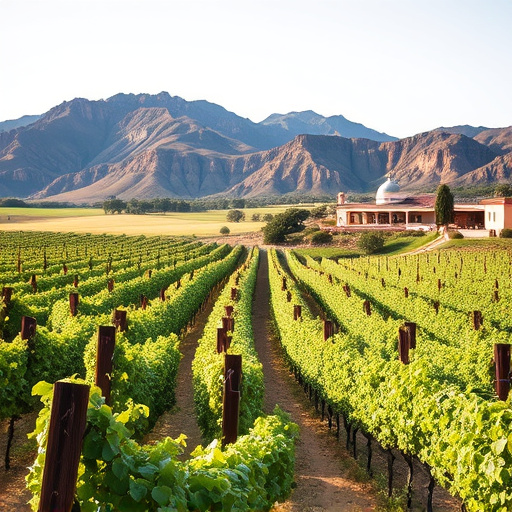
Sonoita, Arizona, is renowned for its commitment to eco-friendly wine production, offering unique sonoita wine tasting naturally experiences. Local winemakers employ organic and biodynamic practices, sustainable farming methods, and natural pest control. Beyond tastings, wineries engage in broader sustainability initiatives like renewable energy adoption and water conservation. They use minimal packaging and locally transport wines to reduce their carbon footprint. This holistic approach attracts eco-conscious tourists seeking authentic, sustainable wine experiences in a picturesque setting.
The global wine industry is undergoing a significant shift towards sustainability, and Sonoita, known for its vibrant eco-friendly wineries, stands at the forefront of this movement. In an era where environmental consciousness is paramount, exploring sustainable wine production and tasting experiences has become not just a trend but a necessity. This article delves into the innovative practices of Sonoita’s wineries, offering visitors authentic, eco-conscious tastings that respect the land and foster a deeper connection with nature. Herein, we present a comprehensive guide to navigating this unique and refreshing facet of the global wine scene.
- Discover Sonoita's Eco-Friendly Wine Revolution
- Exploring Sustainable Tasting Practices Naturally
- A Guide to Green Wine Experiences in Sonoita
Discover Sonoita's Eco-Friendly Wine Revolution

Sonoita, Arizona, has emerged as a beacon of innovation within the global wine industry, leading a revolution towards eco-friendly practices and sustainable vino production. This small yet thriving community has gained recognition for its commitment to preserving the natural beauty that surrounds its renowned wineries. Tourists seeking authentic experiences now flock to this region, eager to partake in Sonoita’s unique offering: wine tastings conducted with a profound respect for the environment.
The region’s winemakers have embraced sustainable farming methods, minimizing their ecological footprint while maximising the quality of their grapes. Organic and biodynamic practices are the norm here, where natural processes are allowed to flourish without synthetic interventions. As a result, Sonoita wines boast a distinct character, reflecting the terroir in an unadulterated manner. Visitors can partake in these tastings, often held in picturesque settings, surrounded by the very vineyards that produce the libations they’re enjoying. This seamless blend of nature and nurture creates a profound connection between taster and wine, offering an educational and enjoyable experience.
Beyond the tasting rooms, many Sonoita wineries engage in broader sustainability initiatives, from renewable energy adoption to water conservation measures. They actively work to reduce their carbon footprint at every stage of production, ensuring that their environmental stewardship extends far beyond the vineyard gates. Tourists who choose to immerse themselves in these eco-conscious practices not only contribute to a growing movement but also gain invaluable insights into the future of wine appreciation. By embracing Sonoita’s commitment to sustainability, visitors become integral parts of this revolution, tasting and respecting nature’s finest offerings.
Exploring Sustainable Tasting Practices Naturally

In the realm of Sonoita wine tasting, exploring sustainable practices offers a unique and enriching experience for eco-conscious enthusiasts. This Arizona wine region has embraced nature’s principles, creating an environment where vino appreciation meets environmental stewardship. The focus is on naturally nurturing the vines, minimizing intervention, and offering tastings that reflect the true essence of the land.
Sustainable tasting experiences in Sonoita involve a meticulous approach to viticulture. Winemakers here utilize organic farming methods, avoiding synthetic chemicals, and instead relying on beneficial insects and natural fungi to combat pests. The vineyards are meticulously managed to preserve the soil’s health, ensuring optimal nutrient levels for grapevines without excessive amendments. This holistic care extends to the tasting rooms, where winemakers often share their journey, highlighting the natural processes involved in crafting each vintage. For instance, some estates offer behind-the-scenes tours, showcasing how native yeasts are encouraged during fermentation, reducing the need for external additives.
One of the key advantages is the authentic taste profile that results from these practices. Sonoita wine tastings naturally present a diverse range of flavors, reflecting the region’s unique terroir. Consumers can expect to discover distinct mineral notes, vibrant acidity, and fruity aromas that showcase the distinct character of each vineyard. Moreover, sustainable practices ensure a minimal carbon footprint, as energy-efficient systems and local transportation reduce environmental impact. This commitment not only benefits the planet but also educates wine lovers, fostering a deeper connection between the glass and the land.
To engage in these experiences, visitors are encouraged to inquire about sustainability practices during their tastings. Many Sonoita wineries proudly share their stories, providing insights into how they’ve embraced eco-friendly approaches. This transparent communication empowers consumers to make informed choices, supporting those dedicated to sustainable wine production. Ultimately, exploring Sonoita’s eco-friendly wineries is a journey that delights the senses and nourishes the soul, offering a truly unique and responsible way to enjoy the art of wine.
A Guide to Green Wine Experiences in Sonoita

Sonoita has emerged as a beacon for eco-conscious wine enthusiasts seeking authentic, sustainable experiences. This Arizona wine region, renowned for its distinctive terroir, is home to wineries dedicated to minimizing their environmental footprint while producing exceptional wines. A guide to green wine experiences in Sonoita reveals a world where viticulture and ecology harmoniously coexist.
Many Sonoita wineries embrace organic and biodynamic farming practices, avoiding synthetic chemicals to nurture healthy vines and preserve the local ecosystem. Some even go beyond sustainability, implementing innovative techniques like water recycling systems and solar panels to reduce their carbon footprint. These eco-friendly measures translate into unique tasting experiences for visitors. For instance, at Calistoga Cellars, guests can enjoy tastings in a serene, natural setting, surrounded by organic vineyards where birds and beneficial insects flourish. This sonoita wine tasting naturally offers not just a sensory delight but also an educational opportunity to learn about the winery’s commitment to preserving the region’s biodiversity.
Beyond sustainable farming practices, Sonoita wineries prioritize responsible packaging and distribution. Some employ minimal or recyclable packaging, ensuring their wines reach consumers with reduced environmental impact. These efforts extend to local transportation, with many producers opting for electric vehicles or pooling shipments to minimize carbon emissions. As consumers become increasingly conscious of the environmental costs of wine production, Sonoita offers a compelling alternative, allowing wine lovers to make informed choices that support both sustainable agriculture and exceptional green wine experiences.
Through exploring Sonoita’s eco-friendly wine revolution and its sustainable tasting practices, readers have gained valuable insights into the future of wine production and consumption. The article has highlighted the region’s commitment to natural methods, offering a unique guide to green wine experiences that respect both the environment and the art of viticulture. By embracing these innovative approaches, Sonoita presents a model for responsible tourism, where visitors can indulge in sonoita wine tasting naturally while contributing to the preservation of its vibrant ecosystem. These key learnings underscore the importance of sustainable practices in the wine industry, inspiring readers to consider eco-friendly options and support businesses that prioritize environmental stewardship.