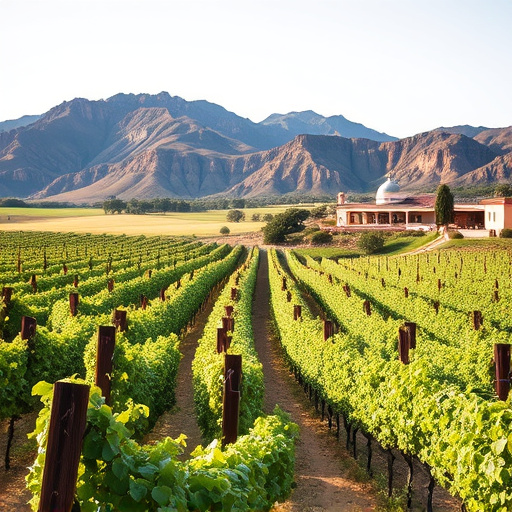
Sonoita, Arizona's high-altitude wine region offers unique wine tasting experiences due to its elevated terrain (4,000–6,000 feet), volcanic soils, and cooler temperatures that concentrate flavors. Soils rich in minerals like iron and magnesium impart a distinctive mineral quality to wines, with varieties like Cabernet Sauvignon and Zinfandel thriving. Durante sonoita wine tastings, visitors engage with local winemakers who share insights into adapting practices to preserve the region's terroir. A structured approach, sensory analysis, and expert sommelier guidance enhance the educational and memorable experience. Mastering food pairings, based on elevation and terroir, further enhances the flavors during these unique tastings.
High-elevation wines have long captivated connoisseurs for their unique character and distinct flavors. Sonoita, nestled amidst the majestic Arizona mountains, has emerged as a leading destination for wine enthusiasts seeking exceptional experiences. This vibrant community offers an array of vineyard tasting adventures, naturally attracting those passionate about viticulture. However, navigating this thriving landscape can be daunting for newcomers. Our authoritative guide promises to illuminate the path, providing insights into the art of Sonoita wine tasting and ensuring visitors savor every moment of this transformative experience.
- Discover Sonoita's Unique Wine Terroir
- Navigating the Vineyard Tasting Process
- Pairing High Elevation Wines Perfectly
Discover Sonoita's Unique Wine Terroir

Sonoita, nestled high atop Arizona’s vibrant wine country, offers an unparalleled opportunity for connoisseurs to delve into its unique wine terroir during sonoita wine tasting adventures. The region’s elevated altitude, ranging from 4,000 to 6,000 feet above sea level, plays a pivotal role in shaping the character of its wines. This high elevation exposes grapes to cooler temperatures, leading to slower ripening and an enhanced concentration of flavor compounds, resulting in complex and distinctive vintages.
The soil composition in Sonoita is another key factor contributing to its exceptional terroir. The region’s volcanic soils, rich in minerals like iron and magnesium, impart a unique mineral quality to the wines. These soils drain efficiently, preventing water retention that could dilute flavors. As a result, Sonoita’s grapes develop intense aromas and robust structures, making its wines highly sought after by aficionados. For instance, Cabernet Sauvignon and Zinfandel, varieties well-suited to cooler climates, thrive in these conditions, offering complex blends that reflect the region’s distinct character.
Durante sonoita wine tasting sessions, visitors can expect to uncover these nuances through careful observation and sensory analysis. Engaging with local winemakers provides valuable insights into the challenges and rewards of crafting wines in such an environment. They often share stories of adapting their practices to reconcile the region’s unique demands, from canopy management to harvest timing. This connection to place and tradition ensures that each sonoita wine tasting adventure becomes a personal exploration of Arizona’s hidden gem, revealing not just exceptional beverages but also a deep-rooted commitment to preserving and celebrating its distinctive terroir.
Navigating the Vineyard Tasting Process

Navigating a Sonoita vineyard tasting adventure requires an understanding of the unique process involved, ensuring a memorable experience for wine enthusiasts. The journey begins with arriving at one of Sonoita’s many esteemed vineyards, each offering its own distinct character and wine styles. Upon arrival, visitors are greeted by knowledgeable staff who guide them through the tasting ritual. It is essential to approach this process methodically; skipping ahead could lead to missing out on potential favorites.
Tastings typically start with a brief introduction to the vineyard’s history and the specific wines being featured. This sets the stage for an educational experience, allowing patrons to appreciate the art and science behind each bottle. The tasting room itself is designed to foster engagement, often featuring rustic decor that complements the natural beauty of the surrounding landscape. As visitors move from table to table, they sample a curated selection of wines, ranging from lighter varieties to robust reds, each paired with insightful explanations.
Sonoita wine tasting naturally involves engaging sensory experiences. Patrons are encouraged to observe the color and clarity of each wine, swirl it gently in their glass to release aromas, and take thoughtful sips, noticing the wine’s texture, flavor notes, and finish. This mindful approach enables a deeper connection with the wines and provides valuable insights for future purchases or visits. Expert sommeliers are on hand to answer questions and offer recommendations tailored to individual preferences, making each tasting adventure personalised and enriching.
Pairing High Elevation Wines Perfectly

High elevation wines from Sonoita offer a unique sensory experience, with distinct characteristics that set them apart from their lower-altitude counterparts. The key to savoring these exquisite vintages lies in mastering the art of pairing them perfectly, enhancing both the wine’s flavors and your overall tasting journey.
When it comes to pairing, understanding the natural affinities between wine and food is paramount. For instance, high elevation Zinfandels from Sonoita, known for their intense fruit flavors and robust tannins, pair exquisitely with hearty dishes like grilled meats or rich cheese boards. The tannic structure of these wines elegantly balances the fat content in meat, creating a harmonious taste experience. Similarly, crisp, acidic Sauvignon Blancs from the region complement lighter fare such as fresh seafood or salads, as their vibrant acidity cuts through richer sauces and dressings.
Consider the specific elevation and terroir of each wine to make informed pairing choices. Sonoita’s high-altitude vineyards, often nestled in mountainous regions, benefit from cooler temperatures that slow down ripening, allowing for concentrated flavors and distinctive mineral notes. These wines may exhibit subtle nuances like herbal or floral hints, making them versatile pairs for various dishes. For a memorable sonoita wine tasting experience, experiment with pairing different varieties against contrasting food textures and flavors—a delightful dance of taste that will elevate your appreciation for the region’s exceptional vintages.
By immersing yourself in the sonoita wine tasting experience, you’ve gained a deeper understanding of the region’s distinctive terroir, mastered the art of navigating vineyard tastings, and learned to pair high-elevation wines with culinary delights. This authoritative guide has equipped you with practical insights, enabling you to fully appreciate the nuanced flavors and rich history that Sonoita’s vineyards offer. Now, armed with this knowledge, you can naturally embrace the next step: becoming a connoisseur of Sonoita wine, enjoying its unique characteristics at every opportunity.