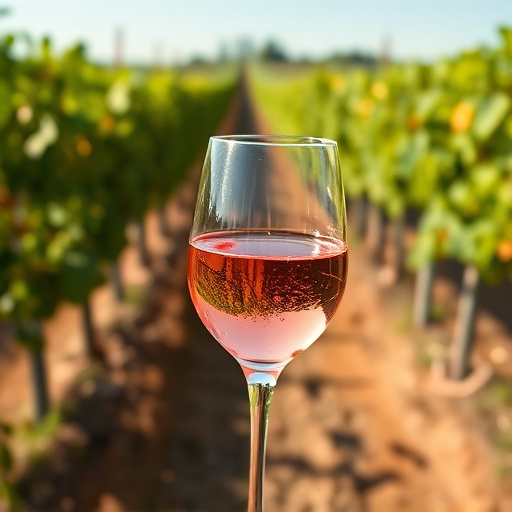
Tasting wine is an art that goes beyond simply enjoying a drink. It's a sensory experience, a journey through history and geography, and a way to connect with the craft of viticulture. For beginners and enthusiasts alike, understanding tasting etiquette and pacing is crucial, especially when navigating the diverse offerings of a wine day in a region like southern Arizona. This guide is your compass, offering insights into the nuances of wine appreciation, from recognizing the subtle differences between aged and young vintages to practicing spitting versus sipping. We'll navigate the social dynamics of tasting rooms, share pro tips for optimal tasting, and provide a strategic checklist for planning your perfect wine day.
- Understanding Wine Tasting Etiquette: The Basics
- Pacing Your Wine Tour: A Balanced Experience
- Tasting Older vs. Younger Wines: What to Expect
- Engaging with Winemakers: Questions & Respect
Understanding Wine Tasting Etiquette: The Basics

Understanding wine tasting etiquette is crucial for a rewarding experience, especially in a region like southern Arizona, where diverse microclimates and terroirs offer a unique variety of wines. When you're on a wine day, whether with friends or as a first-time taster, adhering to basic etiquette not only shows respect for the winemakers and the tasting room staff but also enhances your appreciation of each wine.
A fundamental aspect of etiquette is pacing yourself. A typical wine tasting day involves multiple visits to different wineries, each offering a unique selection of wines. It's essential to allow enough time to taste and appreciate each wine properly. As a general rule, plan on one to two wines per winery, depending on the variety and your pace. If you're enjoying a Sonoita red wine known for its robust tannins, take your time to savor the finish and detect the subtle aromas. On the other hand, a refreshing Arizona white wine might prompt you to move a bit quicker to explore different options. Remember, the goal is not to rush but to enjoy the experience at a steady, comfortable pace.
When interacting with winemakers and staff, a few simple practices can elevate your tasting experience. Always follow their guidance on tasting order and techniques. In a Sonoita winery, the staff might recommend swirling the wine in your glass to release its aroma and then taking small sips to appreciate the taste and finish. These professionals have a deep understanding of the wines and can offer valuable insights. If you're tasting older wines, pay close attention to the changes in aroma and taste as the wine ages-a fascinating aspect that can deepen your connection with the terroir and viticulture of the region. Keep in mind that some wineries may have specific rules or blind tasting games to enhance your learning experience, so be prepared to adapt and have fun.
Pacing Your Wine Tour: A Balanced Experience
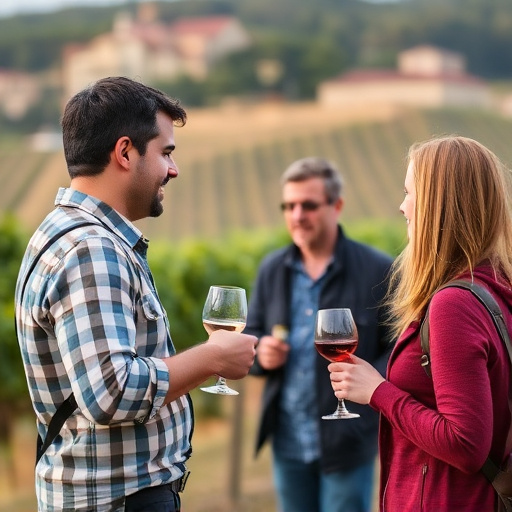
On a wine day, pacing yourself is as crucial as knowing which varietals to taste. A balanced experience ensures you appreciate the nuances of each wine without feeling overwhelmed or missing out. In regions like Sonoita, known for its diverse terroir and microclimates, this is especially important. Winemakers in these areas craft distinctive wines, from vibrant roses made from Arizona grapes to robust reds like Tempranillo and Sangiovese, and crisp white varieties featuring Malvasia.
A typical wine tasting tour in Sonoita involves visiting several tasting rooms, each offering unique insights into their wines. When pacing your day, consider the intensity of each wine and the time between tastings. As a rule of thumb, allow at least 15-20 minutes between tastings to give your palate a chance to reset. Tasting older vs young wines can be an enlightening experience, showcasing how a wine develops over time. However, this can also be demanding on your senses, so balance your selections accordingly. A private wine tour company based in Tucson, for instance, often recommends pairing older, more complex wines with lighter meals or snacks to maintain a refreshing pace.
Beyond the time between tastings, pay attention to your overall experience. If you find yourself struggling to taste the nuances of a particular wine, it might be a sign to slow down or move on to a different varietal. Remember, the goal is not to finish every tasting room on the list but to truly enjoy and appreciate each wine. If you're enjoying a crisp white Malvasia and a rich red Sangiovese, consider lingering a bit longer at each tasting, taking the time to swirl, sniff, and savor each wine before moving on. This mindful approach ensures you get the most out of your wine tasting experience in Sonoita.
Tasting Older vs. Younger Wines: What to Expect
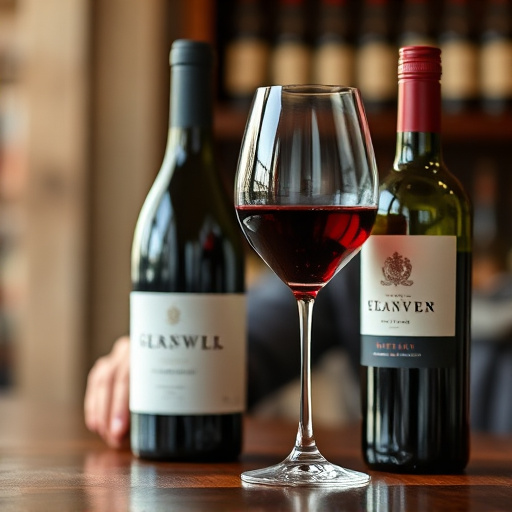
When tasting older vs. Younger wines, you'll notice distinct characteristics that reflect the evolution of flavors and aromas over time. In the high desert climate of Arizona, particularly in the Sonoita AVA, grapes like Tempranillo and Sangiovese benefit from the region's unique terroir, resulting in wines that can age gracefully. Younger wines often showcase vibrant fruits and fresh acidity, while older vintages may present complex, earthy notes and a velvety texture due to the development of tannins.
A local guide who drives guests to Sonoita and Elgin wineries can offer valuable insights into these differences. A 2015 Tempranillo from a local Tucson winery may exhibit bright red fruit flavors and a firm backbone of acidity when young. However, by 2020, the same wine might have deepened in color, with notes of dried plums, tobacco, and a hint of spice, reflecting the wine's maturity. Similarly, a young white Malvasia from an Arizona winery could present citrus and floral aromas, while an aged version might offer more subtle, leathery and nutty characteristics, along with a richer body.
When planning a wine day, consider the age of the wines you intend to taste. If your focus is on exploring the region's current offerings, opt for a mix of younger and newer releases. However, if you're interested in experiencing the depth and complexity that comes with aging, seek out older vintages, especially from the local high desert wine producers known for their exceptional quality. Remember, tasting older wines can provide a unique perspective on the viticultural characteristics of the region and the skill of the winemaker.
Engaging with Winemakers: Questions & Respect
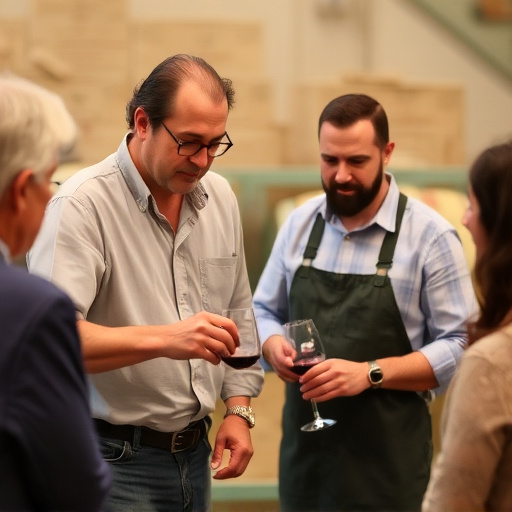
When engaging with winemakers during a wine day in Sonoita, it's crucial to approach the experience with a mix of curiosity and respect. Winemakers are the guardians of terroir, the intricate interplay of climate, soil, and vines that gives each wine its unique character. They've spent years honing their craft, so treating them as knowledgeable experts is essential. Ask insightful questions about the wine's origins, the specific microclimates and viticulture practices that shaped it, and the story behind the winery. Remember, these are not just producers; they're often passionate storytellers.
A local guide who drives guests to Sonoita and Elgin wineries can serve as a valuable intermediary, facilitating these conversations. They can provide context about the Sonoita AVA and the high desert terroir that lends its wines a distinct character. When asking about aging, note that the age of a wine can dramatically influence its profile. Younger wines often display brighter fruit flavors, while older ones may reveal more complex, earthy notes and subtle tannins. Winemakers can offer insights into this process, explaining how different aging vessels, from oak barrels to stainless steel tanks, impart unique flavors.
Respectful engagement goes both ways. Keep an open mind and be prepared to learn. Don't be afraid to admit when a wine doesn't appeal to your palate; it's an essential part of the tasting experience. Winemakers appreciate honest feedback, as it helps them understand consumer preferences. After all, the ultimate goal is to enjoy and appreciate the diverse offerings of Sonoita's high desert wine region.
Frequently Asked Questions About a Guide to Tasting Etiquette and Pacing on a Wine Day
What is the appropriate pace for a wine tasting tour? A wine tasting tour is not a race! A relaxed pace is ideal, allowing for conversation and the opportunity to truly appreciate each wine. Eco Buzz Tours generally recommend a stop duration of 5-10 minutes, but your local guide will tailor the timing to the group's size and preferences, ensuring a balanced and enjoyable experience.
How many wines should I try during a tasting? The number of wines you try depends on your preference and the tour's focus. A small group tour in Sonoita or Elgin might offer 8-12 wines, while a longer day trip could include 15-20. Your guide will guide you, suggesting sips or full glasses based on the tasting's theme and your feedback. Remember, quality over quantity!
Is it okay to ask the winemaker or pourer questions? Absolutely! Most winemakers and pourers are passionate about their craft and eager to share their knowledge. Feel free to ask about the wine's origin, grapes used, aging process, or any other curiosity. This interaction adds a personal touch to your wine tasting experience.
What if I don't like a wine? Can I skip it? Most definitely! Your tasting is a personal journey. If a wine doesn't appeal to you, simply move on to the next. Your guide will ensure you don't miss out on wines that might suit you better. It's all about discovering your preferences.
Are there any tips for maintaining good etiquette during a wine tasting? Arrive early, taste slowly, and clean your glass between sips. Avoid talking with your mouth full, and be mindful of your volume, especially in quieter tasting rooms. Remember, respect is key. Other tasters are there to experience the wine too. Keep your discussions civil and consider using a soft voice.
As you conclude your wine day, reflecting on key tastings and interactions, you gain a deeper understanding of wine's complexities. Engaging with different vintages, especially when comparing tasting older vs younger wines, reveals evolution and craftsmanship. Note the nuances in color, aroma, and flavor - the subtleties that develop with age. This experience sharpens your palate and guides future purchases.
Mastering tasting etiquette enhances your overall enjoyment. Remember to pace yourself, savoring each wine and the insights it offers. Engaging with winemakers, asking questions, and showing respect deepens your connection to the terroir and the art of viticulture. This personal touch, combined with a structured approach, makes your wine day both memorable and instructive.
Take practical steps to apply your newfound knowledge: keep detailed tasting notes, consider joining a wine club for exclusive perks, and plan future trips with a focus on seasonal offerings. Most importantly, continue exploring, engaging with the community, and appreciating the diverse characteristics of wines from wine tasting works, both young and old.
Wine Tasting Etiquette and Pacing for a Memorable Experience
On a wine day in southern Arizona's diverse wine regions, like Sonoita, pacing yourself is key. Plan for one to two wines per winery, allowing time to appreciate each. When interacting with winemakers and staff, follow their tasting guidelines and engage in conversations about the wines and their unique terroirs.
Tasting older wines offers a fascinating insight into their evolution, showcasing complex aromas and flavors. A private tour or local guide can help balance your tasting experience by recommending appropriate pairings and suggesting breaks between tastings to refresh your palate.
Respectfully engage with winemakers, valuing their expertise and stories. Ask insightful questions about wines' origins and aging processes. Remember, the goal is to enjoy and appreciate the region's diverse high desert wines, so be open to learning and honest feedback.