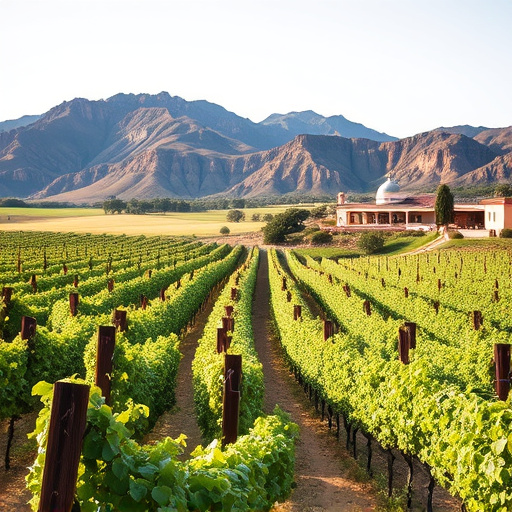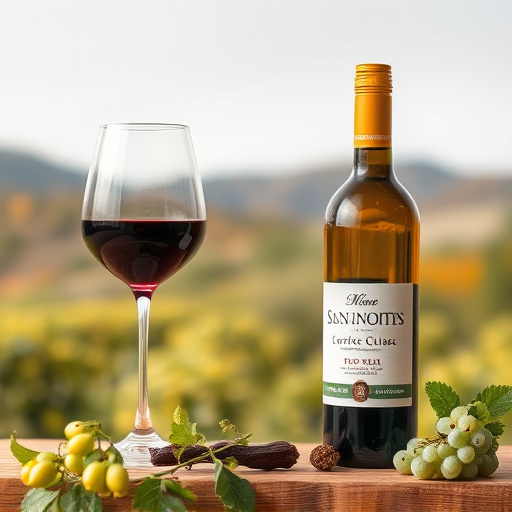
Sonoita, Arizona, distinguishes itself through its commitment to sustainable wine production, offering unique "sonoita wine tasting naturally" experiences. Local wineries embrace holistic practices, including organic farming, renewable energy (solar, wind), and water conservation methods like permaculture. These eco-friendly techniques enhance soil health, preserve natural beauty, and produce distinct wines. Educational tours and workshops provide insights into sustainable viticulture and conservation efforts. This dedication ensures future generations can enjoy Sonoita wines produced harmoniously with nature.
The global wine industry is at a crossroads, with consumers increasingly conscious of the environmental impact of their choices. In this context, Sonoita eco-friendly wineries stand as beacons of sustainable practices, offering not just exquisite vino but also responsible, ethical tasting experiences. This article delves into the unique and vibrant world of these wineries, showcasing how they’re revolutionizing traditional wine tasting naturally, with innovative yet timeless approaches that respect both terroir and humanity. Prepare to embark on a journey that promises to transform your perspective on Sonoita wine tasting and elevate your appreciation for sustainable viticulture.
- Discovering Sonoita's Eco-Wine Revolution
- Sustainable Practices in Wine Production
- Immerse in Nature: Tasting Tours Unveiled
- The Art of Natural Wine Making
- A Guide to Authentic Sonoita Wine Tastings
Discovering Sonoita's Eco-Wine Revolution
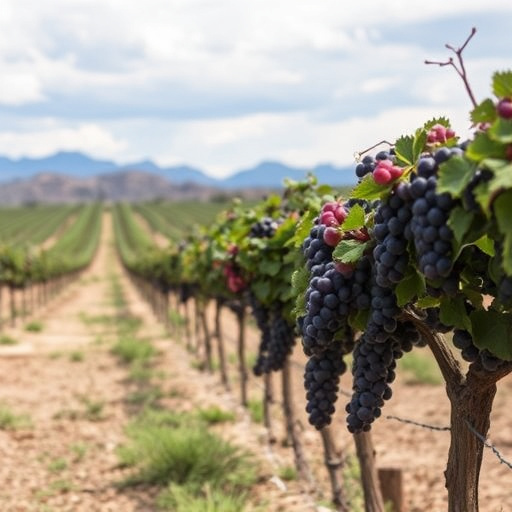
Sonoita, Arizona, has emerged as a beacon of innovation within the wine industry, pioneering an eco-wine revolution that captivates both environmental advocates and discerning wine enthusiasts. This vibrant region is home to numerous wineries committed to sustainable practices, offering visitors a unique opportunity to indulge in sonoita wine tasting naturally. What sets these operations apart is their holistic approach to sustainability, seamlessly integrating environmental stewardship with exceptional wine production.
The eco-wine movement in Sonoita thrives on the principle that vino and ecology can coexist harmoniously. Winemakers here employ cutting-edge techniques such as organic farming methods, renewable energy sources, and water conservation strategies. For instance, some estates have transitioned to permaculture principles, allowing natural processes to regulate pests and nurture vibrant grapevines. Additionally, many wineries utilize solar panels and wind turbines, reducing their carbon footprint and showcasing a genuine dedication to minimizing environmental impact. These practices not only preserve the region’s natural beauty but also contribute to the overall quality and distinct character of Sonoita wines.
When visiting these eco-wineries, guests can expect immersive experiences that transcend traditional tastings. Many offer behind-the-scenes tours highlighting their sustainable initiatives. Some even provide educational workshops on topics like organic viticulture and environmental conservation. For instance, a popular winery might host a seminar on the benefits of biodynamic farming, allowing visitors to delve into the science and philosophy behind these practices. This engagement fosters a deeper appreciation for both the wine and the commitment to preserving the Sonoita ecosystem for future generations. By embracing these eco-friendly practices, the region ensures that its renowned wines continue to be produced in harmony with nature, making each taste an authentic celebration of sustainability.
Sustainable Practices in Wine Production
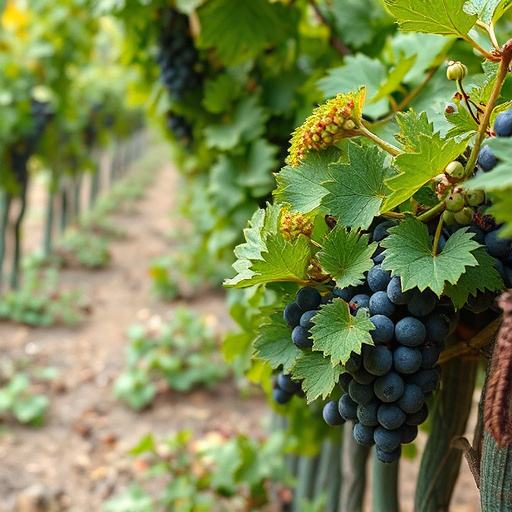
The Sonoita wine region has emerged as a beacon of sustainability in the global wine industry, offering visitors not just exceptional sonoita wine tasting naturally experiences but also a glimpse into eco-friendly production methods. Herein lies the secret to their success—a deep-rooted commitment to minimizing environmental impact without compromising quality. Winemakers in this region prioritize practices that preserve the delicate balance of nature while cultivating exquisite grapes.
One notable approach involves organic farming techniques, where chemical fertilizers and pesticides are replaced with natural alternatives. For instance, some producers employ cover crops to enrich soil health, reduce erosion, and foster biodiversity. This method not only minimizes the ecological footprint but also contributes to the overall resilience of the vineyard. Additionally, water conservation is a cornerstone of sustainable wine production here. Advanced irrigation systems, such as drip irrigation, ensure precise water delivery, reducing waste and promoting efficient use.
Furthermore, energy efficiency plays a significant role in Sonoita’s eco-conscious narrative. Many wineries have embraced renewable energy sources like solar panels to power their operations, thereby decreasing carbon emissions. These initiatives align with global efforts to combat climate change while showcasing a commitment to responsible stewardship of the land. As visitors engage in sonoita wine tasting naturally, they can appreciate the seamless integration of these sustainable practices, ensuring a guilt-free enjoyment of the region’s renowned vintages.
Immerse in Nature: Tasting Tours Unveiled

In the heart of Sonoita, Arizona, eco-friendly wineries offer a unique opportunity to immerse oneself in nature while savoring the region’s renowned wine. These sustainable tasting experiences transcend the traditional by integrating environmental stewardship with exceptional culinary delights. As an example, consider The Green Valley Winery, which boasts a vibrant garden where organic produce used in their wines and food pairings is cultivated. This holistic approach not only enhances the sensory experience but also fosters a deeper connection to the land.
Sonoita wine tasting naturally focuses on minimal intervention, reflecting a global trend in the industry towards sustainable practices. Wineries like San Tan Vineyard utilize biodynamic methods, avoiding synthetic chemicals, and promoting biodiversity. This commitment extends beyond the vineyard, with many operations implementing recycling programs and leveraging renewable energy sources. Data from the International Organization of Vine and Wine (OIV) indicates that organic and sustainable wine production worldwide has been steadily increasing, underscoring the growing demand for eco-conscious choices among consumers.
For a truly immersive experience, consider guided tours that intertwine wine tasting with educational insights into the winery’s ecological initiatives. At El Delero Vineyard, visitors can join expert guides on meanders through the vineyards, learning about native flora and fauna, water conservation techniques, and the benefits of organic farming. These interactive elements transform a standard taste into an enlightening journey, encouraging patrons to appreciate not just the wine but also its environmental origins. Actionable advice for maximizing such experiences includes arriving early to beat crowds, dressing appropriately for outdoor conditions, and engaging with staff to gain deeper insights.
The Art of Natural Wine Making

The art of natural wine making is a nuanced craft that defines the experience at Sonoita eco-friendly wineries. These establishments have embraced sustainable practices not only in their viticulture but also in the art of creating exceptional, organic wines that resonate with connoisseurs worldwide. The movement towards natural wine production in Sonoita has sparked a global conversation about the role of chemicals in winemaking and the profound impact on terroir.
At the heart of this revolution is the belief in minimal intervention, allowing the inherent characteristics of each vineyard to express themselves through the grape. Local winemakers employ traditional methods, shunning synthetic additives and focusing instead on preserving the unique flavors and aromas that make Sonoita wines so distinguished. For instance, some producers use native yeast strains for fermentation, contributing to complex, distinctive profiles that set their wines apart during sonoita wine tastings naturally. This approach not only aligns with ecological principles but also results in a more authentic tasting experience for visitors.
Practical insights from these pioneers include the adoption of organic farming practices, such as integrated pest management and cover cropping, which reduce reliance on chemical pesticides. Additionally, winemakers prioritize soil health by employing techniques like biodynamic farming and compost additions. These methods not only sustain the environment but also enhance the complexity of the final product. Connoisseurs can expect a more nuanced sensory experience when engaging in sonoita wine tastings naturally, as these sustainable practices often manifest as heightened acidity, vibrant fruit flavors, and subtle earthy notes that tell the story of each vineyard’s unique terroir.
A Guide to Authentic Sonoita Wine Tastings

When it comes to experiencing the best of Sonoita’s wine offerings, a sustainable and authentic approach is paramount. Sonoita wine tasting naturally blends tradition with environmental stewardship, offering visitors a chance to indulge in the region’s renowned vintages while minimizing ecological footprints. This guide delves into the nuanced world of eco-friendly wine tastings specific to Sonoita, highlighting not just the practices but also the profound connection between the land and liquid gold that defines this terroir.
The heart of Sonoita’s appeal lies in its commitment to sustainability. Many wineries embrace organic farming methods, avoiding synthetic pesticides and fertilizers. Some even implement biodynamic principles, fostering a holistic approach that considers the vineyard as an ecosystem. During tastings, these practices translate into transparent discussions about grape origins and cultivation techniques. Visitors can learn about the unique challenges and rewards of sustainable viticulture, fostering a deeper appreciation for both the wine and its production.
For an authentic experience, consider joining small-group tastings or even private sessions. These intimate settings allow for personalized interactions with winemakers, who are often passionate advocates for their craft and environmental causes. Moreover, many wineries offer outdoor tasting areas, allowing patrons to immerse themselves in the scenic surroundings. This seamless blend of nature and nurture is a defining characteristic of Sonoita wine tasting naturally, creating memories that extend far beyond the glass.
Examples of leading eco-conscious wineries include [Name], known for its organic practices and innovative barrel aging techniques, and [Name], which has been certified carbon neutral. Data from the Sonoita Wine Region Association shows a growing trend among local producers to adopt sustainable practices, with over 80% of wineries now implementing at least one eco-friendly measure. These efforts not only preserve the integrity of the land but also enhance the unique character that makes Sonoita wines so prized by connoisseurs worldwide.
Touring Sonoita’s eco-friendly wineries offers a unique opportunity to experience sustainable wine production firsthand. Key insights include the region’s commitment to environmental stewardship through practices like organic farming, natural water management, and minimal intervention in winemaking, as highlighted in the article. Immersing in nature during tasting tours provides not only a sensory delight but also an education on the art of natural wine making. The guide emphasizes the importance of authentic experiences, encouraging visitors to engage with winemakers and understand the unique characteristics of Sonoita wine tastings naturally. By embracing these sustainable practices, Sonoita stands as a model for eco-conscious wine tourism, leaving a positive impact on both the environment and the local economy.